
Ear Molding for Prominent Ears in Infants: What You Should Know
Ear molding is a non-surgical approach designed to address prominent ears, commonly known as bat ears, in infants. It uses soft molds to reshape the outer ear. Ideally, this treatment should start within the first few weeks of life when the ear cartilage is still flexible. A pediatric specialist will create a custom mold after taking an impression of the infant’s ear and then secure it using adhesive strips. While it’s effective and non-invasive, some infants might experience skin irritation or discomfort from wearing it. Early intervention is crucial for optimal results, so consulting a qualified specialist for guidance is important.
1. Definition of Ear Molding for Infants
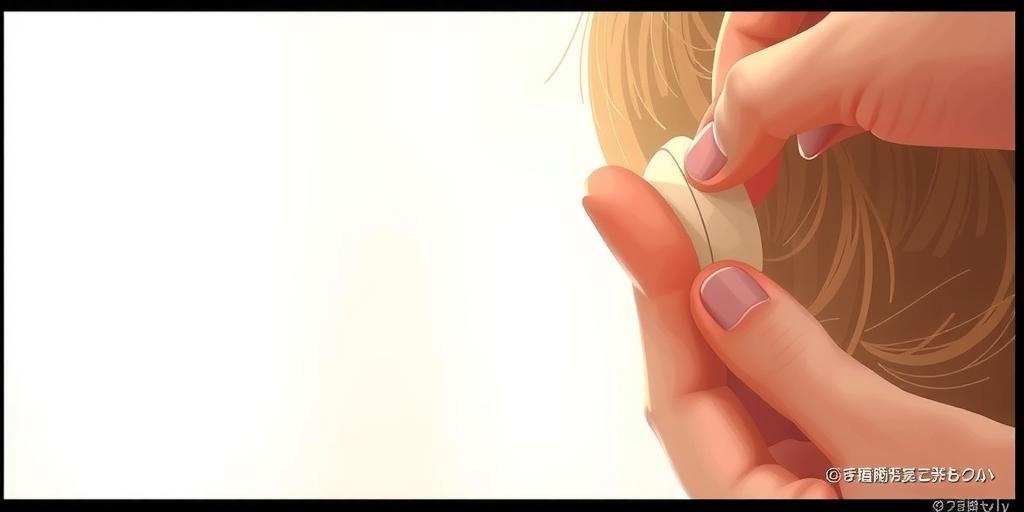
Ear molding is a non-surgical technique designed to correct prominent ears, commonly referred to as bat ears, in infants. This method uses a soft mold to gently reshape the outer ear. Typically, the best time to initiate ear molding is within the first few weeks of life. During this period, the cartilage in an infant’s ear remains pliable, making it easier to manipulate and reshape.
The process begins with a specialized pediatrician or an otolaryngologist taking an impression of the infant’s ear to create a custom mold. After the mold is crafted, it is fitted onto the ear and secured using adhesive strips. The treatment usually involves regular monitoring and necessary adjustments, which can take several weeks to a few months.
Ear molding is favored for being non-invasive, allowing parents to avoid surgical procedures and anesthesia. Many families opt for this technique to enhance their child’s appearance and reduce the chances of bullying or self-esteem issues as the child grows older. Studies indicate that ear molding has high success rates, effectively correcting prominent ears in infants.
2. Ideal Timing for Ear Molding
The best time to begin ear molding is during the first few weeks of an infant’s life. At this age, the cartilage in their ears is still soft and pliable, making it easier to shape. Starting treatment early maximizes the chances of success, as the ear’s structure can change significantly as the child grows. If parents wait until the child is older, particularly after six months, the effectiveness of the molding decreases. It’s crucial to consult a pediatric specialist to determine the optimal timing for each individual case.
3. Ear Molding Procedure Explained
Ear molding is a straightforward, non-surgical approach for reshaping prominent ears in infants. The process begins with a visit to a specialized pediatrician or an otolaryngologist, who will take an impression of the infant’s ear. This impression is then used to create a custom mold tailored specifically for the child’s ear shape. Once the mold is ready, it is carefully fitted onto the ear and secured in place using adhesive strips.
The procedure is typically performed during the first few weeks of life when the cartilage is still soft and flexible, making it easier to reshape. Parents should expect to return for regular monitoring and adjustments, which may last several weeks to a few months, depending on the individual case.
During this time, the healthcare provider will ensure that the mold fits correctly and make any necessary changes to optimize the molding process. While wearing the mold, infants may experience some discomfort, and skin irritation from the adhesive can occur, but these issues are usually manageable. Overall, ear molding is a safe and effective method that can significantly improve the appearance of prominent ears with minimal intervention.
4. Benefits of Ear Molding for Infants
Ear molding offers several advantages for infants with prominent ears. First and foremost, it is a non-invasive procedure, which means it does not require surgery or anesthesia. This can provide peace of mind for parents who may be hesitant about surgical options. Additionally, ear molding can significantly improve the appearance of a child’s ears, potentially reducing the risk of bullying or negative self-esteem issues as they grow older. Parents often report feeling relieved knowing they can enhance their child’s appearance early on. Studies have shown that ear molding can be highly effective, with success rates that affirm its use as a reliable option. Early intervention is crucial, as the cartilage is still soft and pliable in infants, allowing for easier reshaping. Overall, ear molding is a practical choice for many families looking to address prominent ears in their infants.
| Benefit | Description |
|---|---|
| Non-invasive | Ear molding can be done without anesthesia. |
| Improved appearance | Enhances the child’s appearance and reduces potential bullying or self-esteem issues. |
| Effective | High success rates in correcting prominent ears in infants. |
5. Risks and Considerations of Ear Molding
Ear molding is generally a safe procedure, but there are some risks and considerations that parents should be aware of. One common issue is skin irritation, which can occur due to the adhesive used to secure the mold. This irritation may cause discomfort for the infant and requires monitoring to ensure it does not worsen. Additionally, some infants may experience mild discomfort while wearing the mold, especially during the initial adjustment period. Regular follow-up appointments are vital to check the fit of the mold and to make any necessary adjustments. Parents should also be informed that while ear molding is effective for many, it may not be suitable for all cases, particularly if there are specific anatomical ear deformities that might require surgical intervention instead. Understanding these risks and considerations can help parents make informed decisions about their child’s ear treatment.
6. Limitations of Ear Molding
Ear molding is not without its limitations. One significant factor is age; the procedure is most effective when performed in the first few weeks of life. As the child gets older, particularly after six months, the cartilage in the ear becomes firmer and less pliable, making it more difficult to achieve the desired shape. Additionally, ear molding may not be suitable for all types of ear deformities. Some anatomical issues might require surgical correction, such as otoplasty, which reshapes the ear through an invasive procedure. This means that while ear molding is a great option for many infants, it may not be the best solution for every case.
7. Alternatives to Ear Molding
For older children or those who are not suitable candidates for ear molding, surgical options like otoplasty may be considered. Otoplasty is a surgical procedure aimed at reshaping the ear to achieve a more natural appearance. This procedure can be performed under general anesthesia and typically involves making incisions behind the ear to remove excess cartilage or skin. The recovery time is longer compared to ear molding, and it may involve some discomfort and potential complications. Parents should consult with a qualified specialist to discuss these options, especially if the child’s ear prominence has not improved with ear molding or if they are beyond the ideal age for non-surgical intervention.
- Custom ear specs
- Surgical options
- Orthotic devices
- Non-surgical contouring
- Educational resources on ear shaping
- Support groups for parents of children with ear issues
- Consultation with audiologists
8. Parental Guidance for Ear Molding
Parents considering ear molding should seek advice from a qualified specialist, such as a pediatrician or an otolaryngologist. It’s crucial to understand the procedure, including how it works, its expected outcomes, and any potential risks involved. Discussing the child’s specific case will help determine if ear molding is suitable. Parents should also inquire about the timeline for the process, as starting early can lead to better results. Regular follow-up appointments are necessary to monitor progress and make adjustments to the mold as needed. Additionally, parents should be prepared to address any discomfort their infant may experience and keep an eye out for any skin irritation caused by the adhesives. Open communication with the specialist will ensure that parents feel supported throughout the process.
9. Additional Resources for Parents
Parents looking for more information on ear molding can explore several resources. Consulting with a pediatrician or an otolaryngologist is crucial, as these professionals can offer tailored advice and support. Reputable medical websites, such as the American Academy of Pediatrics and the American Academy of Otolaryngology, provide valuable insights into ear conditions and treatments. Additionally, support groups or forums for parents of children with similar concerns can offer shared experiences and emotional support. Books on pediatric health may also cover ear molding and related topics. Always ensure that the sources are credible and up-to-date.
Frequently Asked Questions
1. What is ear molding for infants?
Ear molding is a gentle method used to reshape a baby’s ears if they are prominent or stick out more than usual.
2. How does the ear molding process work?
During ear molding, soft plastic molds are placed over the baby’s ears to help shape them closer to the head.
3. At what age should ear molding be done?
Ear molding is most effective when started early, ideally within the first few weeks or months of an infant’s life.
4. Is ear molding painful for my baby?
The ear molding process is not painful. Most babies feel no discomfort since it’s a non-invasive treatment.
5. How long does it take to see results from ear molding?
Results from ear molding can often be seen within a few weeks to a few months, depending on the baby’s individual growth and response to treatment.
TL;DR Ear molding is a non-surgical technique to correct prominent ears in infants, best initiated within the first few weeks of life. The procedure involves custom molds fitted to the ear, with benefits including non-invasiveness and improved appearance. While effective, it has limitations such as decreased efficacy after six months and potential skin irritation. Alternatives like surgical options are available for older children. Parents should consult qualified specialists for guidance.


