
Understanding Protruding Ears in Newborns: Causes and Solutions
Protruding ears, often called “lop ears” or “bat ears,” is when the ears stick out more than usual from the head. This condition can be hereditary, caused by genetic factors passed down from parents. Sometimes it results from how cartilage develops in newborns’ ears or even their position in the womb. Affecting about 5% of the population, protruding ears can sometimes result in teasing as children grow older. While many cases don’t need treatment and may fix themselves over time, options like ear molding for infants and surgical procedures are available for those who face emotional distress due to this condition.
1. What Are Protruding Ears?

Protruding ears, often referred to as “lop ears” or “bat ears,” are characterized by ears that extend further from the head than what is typically seen. This condition can vary in severity, with some children having ears that stick out noticeably while others may have a more subtle appearance. The shape and position of the ears are primarily influenced by the development of cartilage, which may not fold correctly in some newborns. Additionally, genetic factors play a significant role; protruding ears can run in families, meaning if a parent has them, their child may too. Environmental factors, such as the baby’s position in the womb, can also contribute to this condition. Protruding ears are generally harmless and do not affect hearing, but they can be a source of concern for parents, especially regarding potential teasing as children grow older.
2. What Causes Protruding Ears in Newborns?
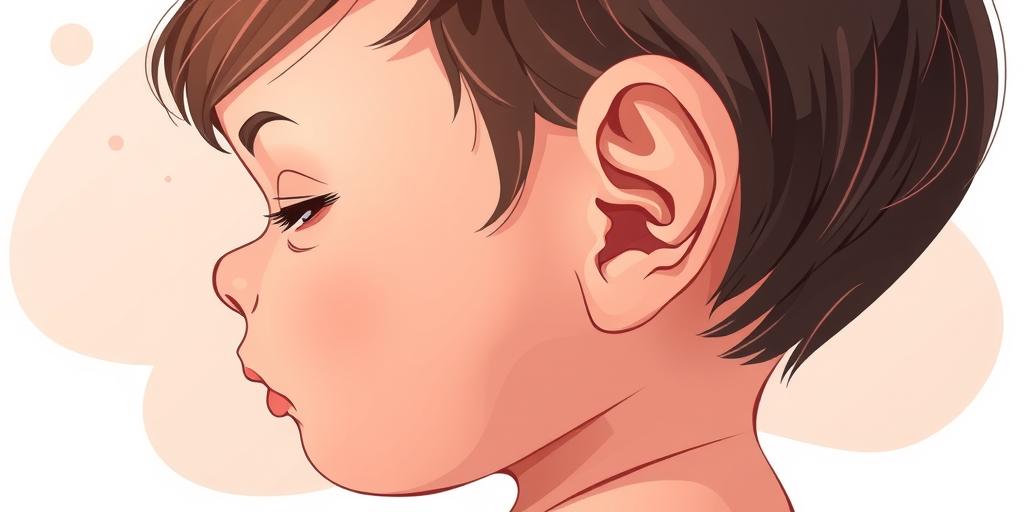
Protruding ears in newborns can result from a variety of factors. One of the main causes is genetic inheritance. If one or both parents have protruding ears, there’s a higher chance their child may have the same condition due to the genes passed down. Another significant cause relates to the development of the ear’s cartilage. The shape and position of ears are determined by how well the cartilage folds during growth. In some infants, this folding does not occur properly, resulting in ears that stick out. Additionally, the positioning of the baby in the womb or their sleeping position in early life can influence ear shape. Certain congenital conditions, such as microtia, where the ear is underdeveloped, can also lead to protruding ears. This combination of genetic, developmental, and environmental factors contributes to the prevalence of protruding ears in newborns.
3. How Common Are Protruding Ears?
Protruding ears are relatively common, affecting about 5% of the general population. This means that many families may encounter this condition, making it a frequent topic among parents. For instance, a child in a classroom of 20 students could potentially have one or two peers with protruding ears. While the condition is often hereditary, it can also arise from how the ears develop during pregnancy or early life. Despite being common, protruding ears typically do not lead to any health issues. However, they can sometimes become a source of teasing or discomfort for children as they grow, emphasizing the importance of understanding and addressing the condition early.
4. Effects of Protruding Ears on Children
Protruding ears can have various effects on children, particularly as they grow and interact with peers. One of the most significant impacts is on a child’s self-esteem and body image. Children with protruding ears may feel different or self-conscious, especially if they are teased or bullied. This teasing can occur during school years, where appearance often becomes a focal point among peers. For instance, a child might hear nicknames like “bat ears” or face unwanted comments from classmates, which can lead to feelings of isolation or anxiety.
Additionally, the psychological effects can extend beyond childhood. Studies have shown that children who experience bullying about their appearance may develop issues related to self-acceptance and confidence that may persist into adulthood. Social interactions can be affected, as some children may withdraw from activities or avoid situations where they feel their ears will be a topic of ridicule.
Parents should be aware of these potential impacts and monitor their child’s emotional well-being. Open communication can help children express their feelings about their appearance, allowing parents to provide support and guidance. In some cases, children might benefit from professional counseling to address any emotional distress related to their protruding ears.
- Potential for bullying and teasing from peers
- Impact on self-esteem and body image
- Difficulty with sound localization
- Increased awareness of ear appearance to concern themselves and others
- Possible association with hearing issues in some cases
- Influence on social interactions and relationships
- Need for corrective procedures leading to procedural anxiety
5. What Are the Treatment Options?
Protruding ears can often be managed with a few different approaches, depending on the severity of the condition and its impact on the child. In many cases, observation is the first step, as some children may experience natural changes in ear shape as they grow. For those who are concerned about cosmetic appearance shortly after birth, ear molding can be an effective option. This technique involves using soft molds to gently reshape the cartilage of the ear, ideally starting within the first few weeks of life. If protruding ears continue to be a concern as the child gets older, surgical intervention known as otoplasty may be considered. Otoplasty is typically performed on children around the age of five, once their ears have reached a stable size. The surgery involves reshaping the ear cartilage and securing the ears closer to the head, resulting in a more typical appearance. Recovery from otoplasty is generally quick, with most children experiencing minimal discomfort and scarring.
| Treatment Option | Description | Ideal Age |
|---|---|---|
| Observation | Protruding ears may correct themselves as the child grows. | N/A |
| Ear Molding | Techniques to reshape ear cartilage using soft molds soon after birth. | 0-3 months |
| Surgery (Otoplasty) | Surgical intervention to reshape and pin the ears back against the head. | After age 5 |
6. When Should You Consult a Pediatrician?
It’s important for parents to be aware of when to seek professional advice regarding protruding ears. If you notice that your newborn has ears that seem to stick out significantly, it’s a good idea to discuss your concerns with a pediatrician. Additionally, if the child begins to show signs of emotional distress, such as anxiety or reluctance to participate in social activities due to teasing about their ears, consulting a pediatrician can be beneficial. The pediatrician can evaluate the condition and determine if any intervention is necessary. They can also guide parents on ear molding options or the timing for potential surgical solutions, ensuring that the child’s needs are met in a supportive manner.
7. Understanding Ear Molding Techniques
Ear molding is a non-surgical method used to correct protruding ears in newborns and infants. This technique takes advantage of the flexibility of the cartilage in a baby’s ears, which is more malleable in the first few weeks of life. The process involves applying soft molds that gently reposition the ears closer to the head. Typically, this treatment is most effective when started within the first few weeks after birth, ideally before the baby is three months old.
For example, if a newborn has ears that stick out significantly, a healthcare provider may recommend a custom ear mold. These molds are crafted to fit snugly around the ear, applying gentle pressure to encourage the cartilage to fold properly over time. The molds are usually worn for several weeks, and regular check-ups are necessary to monitor progress and make adjustments if needed.
Parents often find this method appealing because it is painless and non-invasive, avoiding the need for surgical procedures. However, patience is required, as it may take time to see results. In many cases, ear molding can effectively reduce the prominence of the ears, leading to improved self-esteem as the child grows.
8. Overview of Otoplasty Surgery
Otoplasty is a surgical procedure designed to correct protruding ears, giving them a more natural appearance. Typically performed on children over the age of five, when their ears have reached full size, the surgery involves reshaping the cartilage and repositioning the ears closer to the head. During the procedure, the surgeon makes a small incision behind the ear to access the cartilage. They then fold and secure the cartilage in a way that reduces the projection of the ears. Recovery from otoplasty is generally quick, with most children experiencing only mild discomfort and minimal scarring. Post-operative care usually includes wearing a headband for a few weeks to help maintain the new position of the ears. This surgical option can significantly improve a child’s self-esteem, especially if they have faced teasing or bullying due to their ear appearance.
9. Recovery After Otoplasty
After otoplasty, recovery typically involves a few key steps to ensure proper healing and optimal results. Immediately following the surgery, the child may have bandages covering their ears to protect them and minimize swelling. These bandages are usually removed after a few days, and parents should follow the surgeon’s instructions regarding care during this period.
Pain management is also an important part of recovery. Most children experience some discomfort, which can usually be managed with over-the-counter pain relievers like acetaminophen or ibuprofen, as directed by the doctor. It’s essential to monitor for any signs of complications, such as excessive swelling, bleeding, or infection, and to contact the healthcare provider if any concerns arise.
Children are generally advised to avoid strenuous activities and sports for at least a few weeks after surgery to prevent stress on the ears. Wearing a headband during sleep may be recommended to keep the ears protected and in position as they heal. Most children can return to normal activities, including school, within one to two weeks, although the full healing process may take several months.
Overall, the recovery process is usually quick, and the results of otoplasty are often immediately visible, greatly improving the ear’s appearance and boosting the child’s confidence.
Frequently Asked Questions
1. What causes protruding ears in newborns?
Protruding ears in newborns can happen due to the way the ear cartilage forms as they grow. Sometimes it’s just genetics, or it could be related to how the baby was positioned in the womb.
2. Is it common for babies to have protruding ears?
Yes, many babies are born with protruding ears. It’s a common condition and usually doesn’t mean there’s a problem.
3. Will protruding ears correct themselves as my child grows?
In many cases, protruding ears may become less noticeable as a child grows and develops. However, some children may still have prominent ears into later childhood.
4. What can I do if I’m worried about my baby’s ears?
If you’re concerned about your baby’s protruding ears, it’s a good idea to talk to your pediatrician. They can offer advice and discuss possible options.
5. Are there treatments for protruding ears in children?
Yes, there are treatments available if protruding ears are a concern. These can include special ear molding devices for infants or surgical options for older children.
TL;DR Protruding ears, a common condition affecting about 5% of newborns, often have genetic and developmental causes. While they may lead to psychological impacts like teasing, most cases don’t require treatment. Options include observation, ear molding for infants, and otoplasty surgery for older children experiencing emotional distress. Parents should consult a pediatrician if they have concerns about their child’s ear appearance or related bullying.