
The Importance of Ear Molding in Correcting Newborn Ear Shape
Ear molding is a gentle, non-surgical technique used to fix ear deformities in newborns. It involves applying soft, custom molds that reshape the ears over time. Common conditions treated include prominent ears, microtia, and lop ear. The best time for this treatment is within the first few weeks after birth since newborn cartilage is soft and easy to mold. This process not only improves appearance and boosts self-esteem but also helps prevent teasing as children grow up. Parents play an essential role in ensuring compliance with the mold usage, while regular follow-ups are crucial for monitoring progress.
Definition of Ear Molding
Ear molding is a non-surgical technique designed to correct ear deformities in newborns and infants. This method utilizes soft, custom-made molds that are applied to the ears to reshape them gradually over time. By taking advantage of the pliable cartilage in a newborn’s ears, ear molding can effectively alter the ear’s shape without the need for invasive procedures. This gentle approach is particularly beneficial for infants, as their ears can be reshaped during a crucial window shortly after birth.
Common Conditions Treated
Ear molding is particularly effective for several ear deformities seen in newborns. One of the most common conditions is prominent ears, where the ears protrude more than normal from the head, which can be a source of self-consciousness as the child grows. Another condition is the conchal crus deformity, which involves irregularities in the outer ear’s structure. Microtia, characterized by the underdevelopment of the ear, is also treated with ear molding, allowing for a more natural appearance as the child develops. Additionally, lop ear, where the ear folds over and lacks the typical curvature, can be corrected effectively using this method. By addressing these conditions early, ear molding helps ensure a more favorable outcome for the child’s ear shape.
| Condition | Description |
|---|---|
| Prominent ears | Ears that stick out more than normal. |
| Conchal crus deformities | Malformations of the outer ear structure. |
| Microtia | Underdevelopment of the ear structure. |
| Lop ear | Ears that fold over and lack the typical curvature. |
Timing of Treatment
The timing of treatment is crucial for the effectiveness of ear molding. The ideal window for starting ear molding is within the first few weeks after a baby is born. During this period, the cartilage in a newborn’s ears is still soft and adaptable, making it much easier to shape and mold. For instance, if treatment begins at around two weeks of age, the success rate for achieving desired ear shape significantly increases. Conversely, delaying treatment beyond this early stage can lead to a more rigid ear structure, making it less responsive to non-surgical interventions. This emphasizes the importance of early assessments by pediatricians, who can identify any ear deformities and recommend timely treatment options.
Benefits of Ear Molding
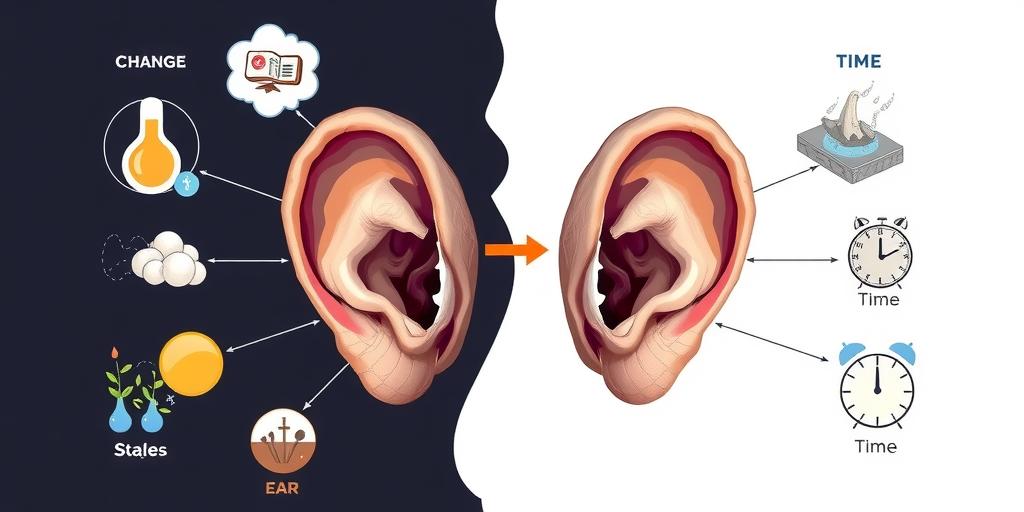
Ear molding offers several significant advantages for newborns with ear deformities. First and foremost, it is a non-invasive procedure that avoids the trauma associated with surgery, eliminating the need for incisions and anesthesia. This makes it a safer option for infants. Additionally, the aesthetic improvements achieved through ear molding can be substantial. With properly shaped ears, children are less likely to experience negative self-image issues, which can influence their confidence as they grow.
Another critical benefit is the potential to prevent psychological effects associated with teasing or bullying due to ear shape. By addressing these concerns early, parents can help their children avoid social challenges later in life. Furthermore, successful ear molding can reduce or even eliminate the necessity for surgical corrections in the future, saving families the stress and costs associated with more invasive procedures. Overall, the benefits of ear molding extend beyond physical appearance, positively impacting a child’s emotional well-being and social integration.
- Promotes proper ear shape development
- Improves self-esteem in later childhood
- Non-invasive and painless procedure
- Can prevent the need for surgical intervention
- Enhances facial symmetry
- Supports healthy ear function
- Reduces the stigma associated with ear deformities
Procedure Overview
The procedure for ear molding begins with an initial assessment by a pediatrician or a specialist who evaluates the newborn’s ear shape. This assessment is crucial as it helps determine the specific type of mold needed for effective treatment. Following the evaluation, custom molds are created using impressions of the infant’s ears. These molds are designed to apply gentle pressure to the cartilage, guiding it into a more desirable shape over time. Once the molds are ready, they are gently placed on the ears. Typically, the molds are worn continuously, day and night, to maximize their effectiveness. Periodic adjustments are made by the healthcare provider to ensure the molds fit correctly as the child grows and the ear shape changes. This hands-on approach allows for a tailored treatment plan that adapts to the infant’s development.
Success Rates of Ear Molding
Ear molding has proven to be a highly effective treatment for correcting ear deformities in newborns, particularly when initiated shortly after birth. Studies show that the success rate of ear molding can exceed 90% in cases of prominent ears and other common deformities. This high level of effectiveness is largely attributed to the pliability of the cartilage in young infants, which allows it to be reshaped more easily compared to older children or adults.
For instance, a study published in a pediatric journal found that infants treated with ear molding for conditions such as microtia and lop ear had significant improvements in ear shape, with many achieving results comparable to those who underwent surgical interventions. Additionally, the non-invasive nature of ear molding means that many families can avoid the risks and recovery time associated with surgery.
The earlier the treatment begins, the better the outcomes tend to be. This is why pediatricians often recommend assessment within the first few weeks of life. In cases where parents are diligent about following the molding protocol and attending follow-up appointments, the likelihood of achieving the desired ear shape increases significantly.
Parental Involvement in Treatment
Parental involvement is crucial in the ear molding process. Parents are responsible for ensuring that the molds are worn continuously as directed by healthcare providers. This commitment is vital for the success of the treatment. For instance, if a mold is not worn for the required number of hours each day, the desired reshaping may not occur. Parents should also maintain the hygiene of the molds and the surrounding ear area, as cleanliness helps prevent any potential skin issues or infections. Regular communication with pediatricians or specialists is important, allowing parents to ask questions and address any concerns regarding the treatment. Furthermore, parents can provide emotional support to their child, helping them understand the process and its benefits, which can foster a positive attitude towards the treatment.
Follow-Up Care for Molding
Follow-up care is crucial in the ear molding process to ensure that the treatment is effective and the desired results are achieved. Regular appointments with a pediatrician or a specialist are necessary to monitor the progress of the ear molding and make any needed adjustments to the molds. These follow-ups typically occur every one to two weeks, especially during the initial phase of treatment.
During these visits, the healthcare provider will assess how well the molds are fitting and whether the ears are responding to the shaping process. Adjustments may be made to the molds based on the ear’s development and the degree of correction required.
Parents should also keep track of the condition of the molds, ensuring they remain clean and intact. If there are any signs of irritation, discomfort, or if the molds become damaged, parents should contact the healthcare provider promptly.
In some cases, the follow-up appointments may include imaging or photographs to document changes in the ear shape over time. This documentation can be helpful in evaluating the success of the treatment and in making future decisions regarding any additional care that may be necessary.
Potential Limitations of Ear Molding
While ear molding offers a promising non-invasive solution for many ear deformities, it does have potential limitations. One major consideration is that it may not be effective for all types of ear malformations. For instance, severe cases of microtia or other complex ear structures might require surgical intervention, as molding alone may not provide the desired results. Additionally, the effectiveness of ear molding is highly dependent on the age at which treatment begins. If the molds are not applied within the optimal timeframe, the cartilage may harden, making it more challenging to achieve the desired shape. This limitation emphasizes the importance of timely diagnosis and intervention. Furthermore, some infants may experience discomfort or skin irritation from wearing the molds, which could lead to non-compliance with the treatment plan. These factors highlight that while ear molding is a valuable tool, it is not a one-size-fits-all solution, and each case should be carefully evaluated by a specialist.
Final Thoughts on Ear Molding
Ear molding is a valuable intervention for newborns with ear deformities, providing a non-invasive option that can lead to significant improvements in ear shape. Early treatment is crucial, as the soft cartilage in newborns allows for more effective reshaping. Parents play an essential role in this process, ensuring that molds are worn consistently and maintained properly. The success rates of ear molding are promising, with many children achieving favorable outcomes without the need for surgery. However, it is important to note that not all deformities can be corrected with this method. Therefore, ongoing assessments by healthcare professionals are vital to determine the best course of action for each individual child.
Frequently Asked Questions
1. Why is ear molding important for newborns?
Ear molding helps shape a newborn’s ear if it is misshapen, which can improve their appearance and possibly prevent future issues.
2. When is the best time to start ear molding treatment?
The best time to start ear molding is usually within the first few weeks of a baby’s life, as their ears are more flexible and easier to shape.
3. How does the ear molding process work?
The process involves using a soft mold that gently holds the ear in the desired shape, providing consistent pressure to adjust its form.
4. Are there any risks or side effects to ear molding?
Ear molding is generally safe, but some babies might experience mild irritation or skin sensitivity where the mold is placed.
5. How long does ear molding treatment usually last?
Ear molding treatment can last several weeks to a few months, depending on how quickly the ear responds to the molding.
TL;DR Ear molding is a non-invasive technique used to correct ear deformities in newborns, especially effective for conditions like prominent ears and microtia. The best time for treatment is within the first few weeks after birth. Benefits include improved aesthetics, prevention of psychological issues, and reduced need for surgeries. Parents are crucial in ensuring molds are worn as required, and regular follow-ups are essential to monitor progress. While it has high success rates, not all deformities may respond to ear molding, and some might still need surgical correction.

