How to Identify Cryptotia Ear Deformity in Newborns
Cryptotia is a congenital ear deformity where the upper part of the ear cartilage is buried under the scalp skin. To identify this condition in newborns, careful physical examination is necessary. Parents should look for any parts of the ear that seem hidden or missing, especially in areas like the scapha and other cartilage folds. Additionally, functional issues might arise, such as difficulties wearing glasses or masks due to how the ear sits against their head. If you suspect Cryptotia, consulting with a pediatrician or an ear specialist for a thorough evaluation and potential treatment options is essential for your child’s well-being and development.
1. Ear Well Centers of Excellence for Cryptotia Treatment
Ear Well Centers of Excellence are specialized facilities that focus on the non-surgical correction of ear deformities such as Cryptotia. These centers employ advanced molding techniques to reshape the ear effectively. Led by experts like Dr. Steve Byrd and Dr. Eric Payne, the centers utilize the EarWell Infant Ear Correction System, which is designed specifically for this purpose. The treatment begins with the application of retainer tapes to gently retract the ear cartilage. This is followed by shaping the ear using the EarWell device, which encourages proper growth and positioning of the ear structure.
Continuous monitoring is a key aspect of this approach. Specialists at these centers make regular adjustments to ensure that the ear develops optimally. Parents often share positive experiences, noting significant improvements in their child’s ear shape after treatment. These testimonials underscore the effectiveness of the non-surgical methods employed at Ear Well Centers and highlight their commitment to providing comprehensive care for newborns with Cryptotia.
2. Understanding Cryptotia Ear Deformity
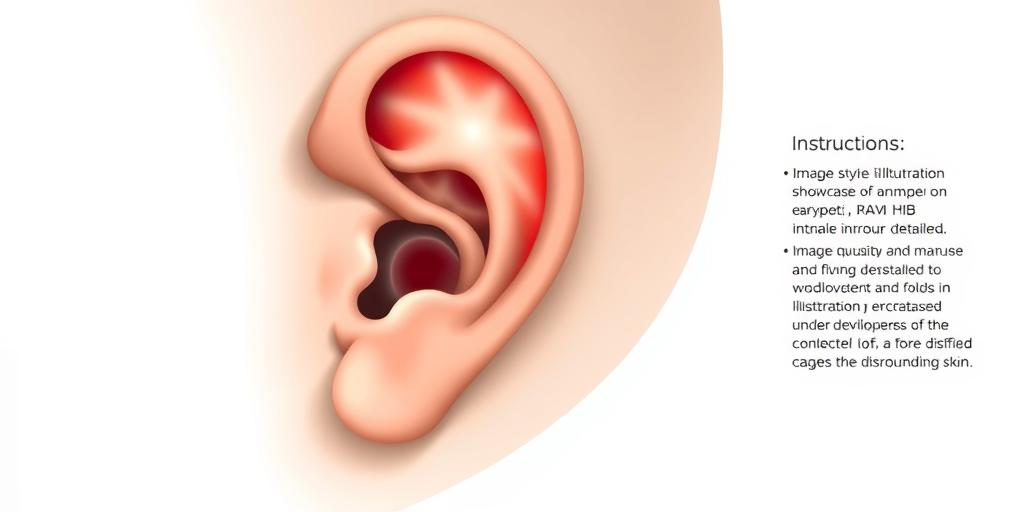 Cryptotia is a congenital ear deformity characterized by the upper part of the ear being partially hidden beneath the skin of the head. This condition results in the ear cartilage being concealed, making it difficult to see the full structure of the ear. In infants with cryptotia, the upper portion of the ear is essentially buried, which can lead to a distinctive appearance where the ear seems to blend into the scalp. This condition is more prevalent in certain populations, particularly among Asians, with statistics showing occurrences as high as 1 in 500 births in Japan. Recognizing cryptotia early is vital for ensuring appropriate treatment and minimizing any potential functional issues that might arise as the child grows.
3. Identifying Signs of Cryptotia in Newborns
Identifying Cryptotia in newborns involves careful observation during a physical examination. The most apparent sign is the upper portion of the ear, which appears to be missing or hidden beneath the skin on the side of the head. When examining the ear, look for any malformations in the ear cartilage, especially in areas like the scapha or the superior and inferior folds of cartilage. It’s essential to note that the ear might not only appear altered in shape but can also be positioned differently than typical ears.
Parents may also notice functional issues related to the ear’s position. For instance, children with Cryptotia may have trouble wearing glasses or masks, as the ear’s placement can interfere with the fit. In some cases, the ear may not be fully developed, leading to additional concerns about hearing or further aesthetic issues.
When assessing a newborn, it’s helpful for parents to take note of any visible differences in ear shape or position compared to siblings or family members, as this can aid in discussions with healthcare providers. Immediate identification is crucial, as early intervention can significantly improve outcomes.
- Ear folding at the top
- Skin covering the ear cartilage
- Asymmetry in ear position
- Reduced ear prominence
- Presence of a small lump or bump near the ear
- Difficulty in visually identifying the ear
- Parent or caregiver concerns about ear shape
4. Diagnostic Process for Cryptotia
 The diagnostic process for Cryptotia typically begins with a consultation with a healthcare provider, usually a pediatrician or an ear specialist. During the visit, a thorough physical examination is conducted to assess the structure and position of the ears. The provider will look for the characteristic signs of Cryptotia, such as the upper part of the ear being hidden under the scalp skin and any malformations of the ear cartilage.
In some cases, visual assessments may be employed to document the condition. This can include taking photographs of the ear from different angles or using imaging techniques to provide a clearer view of the underlying cartilage structure. These assessments are crucial for establishing a baseline for treatment and monitoring progress over time.
Parents may also be asked about any functional issues their child might be experiencing, such as difficulties wearing glasses or masks, as these can further indicate the need for intervention. Collectively, these steps help confirm the diagnosis of Cryptotia and guide the appropriate treatment options.
| Diagnostic Method | Details |
| — | — |
| Healthcare Provider Consultation | A pediatrician or an ear specialist will typically perform a physical examination to confirm the diagnosis of Cryptotia. |
| Visual Assessment | Photographs or imaging may be used to document the ear’s appearance for monitoring or treatment planning. |
5. Non-Surgical Treatment Options
Non-surgical treatment options for Cryptotia ear deformity focus on reshaping the ear during the crucial early months of a child’s life. One common method is ear molding, which uses an external device to gently reshape and stretch the upper part of the ear. This technique can be effective even after the neonatal period, with successful cases reported for children up to 5 years old. Additionally, the EarWell Infant Ear Deformity Correction System is a recommended non-surgical treatment. This system works by retracting the ear to encourage proper growth and alignment.
Ear Well Centers of Excellence specialize in these non-surgical methods. They employ advanced molding techniques and are staffed by experts in the field. For example, specialists like Dr. Steve Byrd and Dr. Eric Payne lead these centers, ensuring that each child receives tailored care. The process often begins with the application of retainer tapes, which help to retract the ear cartilage. This is followed by shaping with the EarWell device, ensuring continuous monitoring and adjustments for optimal results.
Parents have reported significant improvements in their child’s ear shape after undergoing treatment at these centers, emphasizing the effectiveness of non-surgical approaches.
6. Surgical Treatment for Severe Cases
In cases of severe Cryptotia, when non-surgical methods have not achieved the desired results or the deformity is significant, surgical intervention becomes necessary. This procedure typically involves lifting the upper part of the ear cartilage from its position beneath the skin and repositioning it to its natural location. Surgeons may use local skin flaps or grafts to cover any exposed areas, ensuring the ear maintains a natural appearance post-surgery. The primary goals of surgery are to restore the ear’s shape and improve its functionality. For instance, children may experience fewer issues with glasses or masks after surgery since the ear is now properly positioned. Surgical treatment is usually conducted once the child is a bit older, often around 6 months to 1 year, when the ear structure is more developed. Recovery from the procedure generally involves monitoring for any complications, and parents are encouraged to maintain follow-up appointments to ensure the best outcome.
7. Expert Care at Ear Well Centers
Ear Well Centers of Excellence provide specialized care for infants with Cryptotia ear deformity. These centers are staffed by professionals who are experienced in non-surgical treatment methods. One of the key treatments employed is the EarWell Infant Ear Correction System. This system uses a gentle molding technique that helps reshape the ear over time. Parents often find that the combination of retainer tapes and the EarWell device leads to significant improvements in their child’s ear shape.
The care provided at these centers is comprehensive. Specialists begin by assessing the infant’s ear condition and developing a personalized treatment plan. Continuous monitoring ensures that the molding process is effective and adjustments can be made as needed. The goal is to encourage the ear to grow into a more natural shape, which can enhance both appearance and function.
Patient testimonials frequently highlight the effectiveness of treatments at these centers. Many parents report that their children have shown remarkable improvements, both in the shape of their ears and in their comfort levels with wearing glasses or masks. The expert care provided at Ear Well Centers plays a crucial role in the successful treatment of Cryptotia, making them a vital resource for families seeking to address this condition.
8. Patient Success Stories and Outcomes
Parents have shared numerous success stories about their children who underwent treatment for Cryptotia. One mother recounted how her son, diagnosed at birth, received ear molding therapy at an Ear Well Center. Within weeks, she noticed a remarkable change in the shape of his ears, which not only improved their appearance but also boosted her son’s confidence as he grew older. Another father described the journey of his daughter, who had a more severe case of Cryptotia. After consulting with specialists, they opted for a combination of ear molding and, eventually, a minor surgical procedure. The results were stunning; her ears looked natural, and she was able to wear accessories like headbands without any discomfort. Parents often express gratitude for the prompt intervention and personalized care their children received, highlighting how these treatments not only corrected the physical deformity but also contributed to their children’s emotional well-being. Many families leave these centers with not just improved ear shapes but also relief and happiness, knowing their child’s quality of life has significantly enhanced.
Frequently Asked Questions
1. What is cryptotia ear deformity?
Cryptotia ear deformity is a condition where part of a baby’s ear is hidden or tucked under the scalp.
2. How can I tell if my newborn has cryptotia?
You can check for cryptotia by looking at your newborn’s ears; if you see that part of the ear is folded over or not fully visible, it may indicate cryptotia.
3. What causes cryptotia in newborns?
The exact cause of cryptotia is not known, but it may be related to genetics or issues with ear development during pregnancy.
4. Should I see a doctor if I suspect cryptotia?
Yes, it’s a good idea to consult a pediatrician if you think your baby has cryptotia; they can examine the ear and recommend next steps.
5. Can cryptotia be corrected?
Yes, cryptotia can often be corrected with surgery when the child is a bit older, typically around ages 4 to 6.
TL;DR Cryptotia is a congenital ear deformity where the upper ear is hidden beneath the skin. It is identified through physical examination and may cause functional issues. Treatment options include non-surgical methods like ear molding and the EarWell Infant Ear Correction System, as well as surgical options for severe cases. Early detection and treatment at specialized Ear Well Centers of Excellence can significantly improve outcomes.