How to Identify Congenital Ear Deformity Anotia in Newborns
Congenital ear deformity, known as anotia, is the complete absence of the external ear. Identifying this condition in newborns is essential for early intervention, which can greatly improve outcomes. At birth, a visual examination can reveal indicative signs of anotia. It’s also important to assess the baby’s hearing, since while the inner ear might be functional, there could be conductive hearing loss due to other associated issues like canal atresia. The Ear Well Centers of Excellence play a crucial role in addressing anotia through non-surgical methods soon after birth, helping to reshape and improve the child’s ear without invasive procedures.
1. Ear Well Centers of Excellence Overview
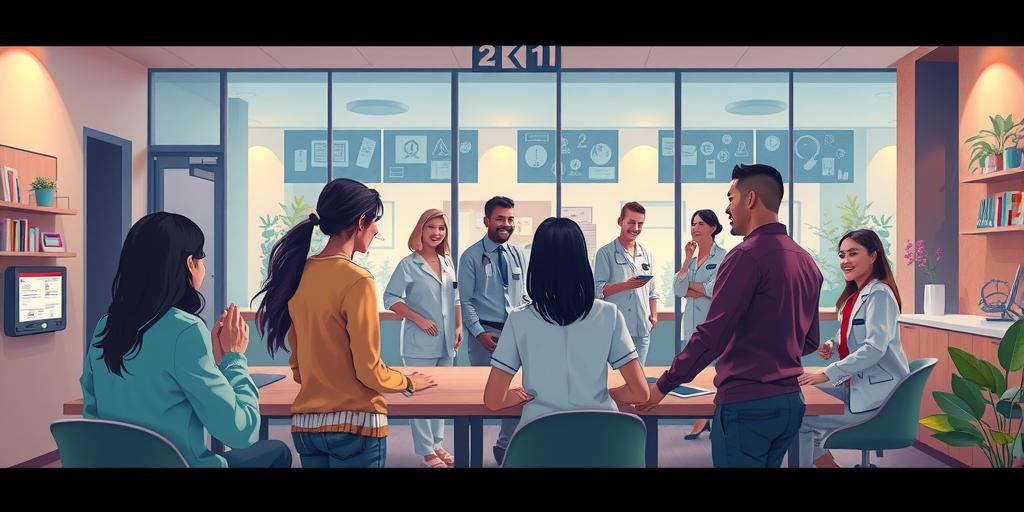 The Ear Well Centers of Excellence are dedicated facilities that specialize in the non-surgical correction of congenital ear deformities, including anotia and microtia. These centers are staffed by a team of experts, led by the esteemed pediatric plastic surgeon Dr. H. Steve Byrd. Their focus is on providing advanced treatment options specifically designed for infants. Since the inception of the EarWell Infant Ear Correction System, over 100,000 infants worldwide have benefited from this innovative approach, underscoring its effectiveness. By utilizing this system, the centers aim to reshape the external ear gently and non-invasively, supporting the natural growth of the child while minimizing the need for surgical interventions later on.
2. What is Congenital Ear Deformity Anotia?
Anotia is a congenital ear deformity that is defined by the complete absence of the external ear. Unlike other ear deformities, such as microtia, where the ear is underdeveloped but present, anotia represents a more severe condition. This deformity can occur alongside microtia, and there may also be additional complications like canal atresia, which is the closure of the ear canal. The prevalence of anotia is estimated to be around 1 in every 6,000 to 12,000 births, indicating that it is relatively rare. Interestingly, it is more frequently observed in males and among certain ethnic groups, including those of Japanese or Navajo descent. Awareness of anotia is crucial since it not only affects physical appearance but can also have implications for hearing and overall development.
3. Key Signs for Early Detection of Anotia
Detecting anotia in newborns is crucial for early intervention and treatment. The most evident sign is the complete absence of the external ear on one or both sides of the head. This can be noticed during a simple visual examination right after birth. Another important sign to consider is the presence of associated conditions. Many infants with anotia may also have microtia, which is characterized by an underdeveloped ear, or canal atresia, where the ear canal is closed. Parents should also be aware of any hearing issues; while the inner ear may still be functional, conductive hearing loss can occur if the ear canal is affected. Therefore, assessing the baby’s auditory function is essential. Prompt identification of these signs can lead to timely referrals to specialized care, improving outcomes for the child.
- Absence of an external ear structure on one or both sides
- Unusual or irregular ear shape observed during examination
- Presence of skin tags or other abnormalities around the ear area
- Flat appearance of the area where the ear should be
- Difficulty in identifying the ear canal location
- Other craniofacial anomalies that may be present
- Parental or caregiver concerns about ear appearance or development
4. How Ear Well Centers Aid in Treatment
 Ear Well Centers provide a non-surgical method to address congenital ear deformities, particularly anotia. Their approach utilizes the EarWell Infant Ear Correction System, which is a gentle, wearable device designed to reshape the ear over time. This device is applied shortly after birth, taking advantage of the natural growth processes of infants. By using this non-invasive technique, the centers aim to improve both the appearance of the ear and the child’s overall quality of life.
In addition to the physical correction, the services offered by Ear Well Centers also focus on the psychosocial aspects of having an ear deformity. Early intervention can help minimize the risk of bullying and low self-esteem that may arise as the child grows. For example, children who receive timely treatment may feel more confident in social situations and have a better self-image as they enter school. This holistic approach not only addresses the medical needs but also supports the emotional well-being of the child.
5. Treatment Options for Congenital Ear Deformities
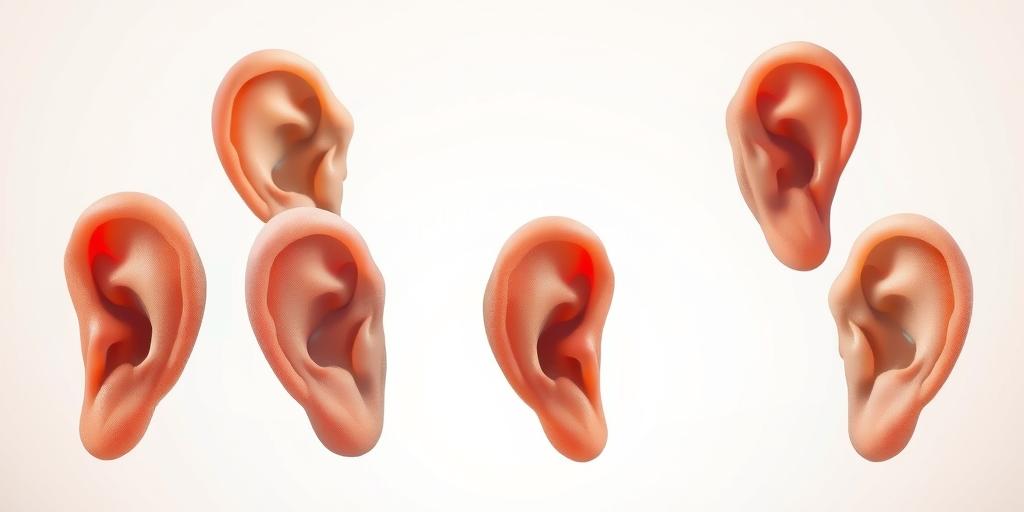 Treatment options for congenital ear deformities such as anotia vary based on the severity of the condition and the age of the child. One of the most innovative non-surgical options is the EarWell device. This wearable medical device gently molds the ear over time, taking advantage of the natural growth of the infant. It is typically applied shortly after birth and can be very effective in reshaping the ear, providing a more typical appearance without the need for surgery.
In cases where non-surgical methods are insufficient, surgical options may be considered. Surgical reconstruction can involve techniques such as using the body’s own tissues or synthetic implants like MEDPOR®. These options are usually reserved for older children or for those whose conditions could not be adequately addressed through the EarWell system. The choice between these options depends on various factors, including the child’s age, health, and specific anatomical considerations.
Parents should discuss all available treatment options with their healthcare provider to make informed decisions that suit their child’s needs.
| Treatment Type | Description | Indications |
| — | — | — |
| EarWell Device | A clinically tested, wearable medical device that reshapes the ear over time using gentle molding techniques. | Non-surgical correction for infants with congenital ear deformities. |
| Surgical Options | Involves using the body’s tissues or synthetic implants like MEDPOR® for reconstruction. | Reserved for cases where non-surgical methods are not effective. |
6. Importance of Monitoring and Follow-Up Care
Monitoring and follow-up care are essential for infants diagnosed with congenital ear deformities like anotia. Regular check-ups allow healthcare providers to track the child’s hearing development and overall ear health. This is important because while the external ear may be absent, the inner ear can sometimes be functional. By assessing auditory function early and consistently, parents and doctors can identify any potential issues with hearing that may arise due to associated conditions like canal atresia.
Moreover, follow-up care provides an opportunity for parents to receive guidance on how to support their child’s development. Educating parents about their child’s condition and treatment options empowers them to make informed decisions. For example, they can learn about the benefits of non-surgical interventions offered at specialized centers, which can help shape the ear as the child grows.
Additionally, ongoing care can help address any psychosocial concerns. Children with visible ear deformities may face challenges with self-esteem or social interactions. Regular consultations can assist in monitoring these aspects, ensuring that the child receives the necessary support to thrive socially and emotionally. This holistic approach to care emphasizes the importance of monitoring and follow-up, not just for physical health, but for the overall well-being of the child.
Frequently Asked Questions
1. What is anotia in newborns?
Anotia is a congenital condition where a baby is born without one or both ears.
2. How can I tell if my newborn has anotia?
You can check if your newborn has anotia by looking for the absence or significant underdevelopment of an ear. It’s best to consult a doctor for a thorough evaluation.
3. Is anotia common in newborns?
Anotia is rare, occurring in about 1 in 10,000 births, making it uncommon but not impossible.
4. What causes anotia in babies?
The exact cause of anotia isn’t fully known, but it may relate to genetic factors or issues during pregnancy that affect ear development.
5. What should I do if my newborn has anotia?
If you suspect your newborn has anotia, it’s important to see a pediatrician or specialist who can provide advice and treatment options.
TL;DR Anotia is the complete absence of the external ear and can be identified through visual examination and auditory assessments at birth. The Ear Well Centers of Excellence offer non-surgical corrective treatments to reshape the ear, benefiting both physical appearance and psychological well-being. Early intervention within the first weeks of life is crucial for preventing further complications and ensuring the best outcomes for affected infants.