How to Identify Microtia in Newborn Infants
Microtia is a congenital condition where the external ear is underdeveloped or malformed, occurring in about 1 in 6,000 to 7,000 births. To identify microtia in newborns, a physical examination typically reveals one ear smaller than the other. In rare cases, it can be seen on prenatal ultrasounds. It’s important to check for associated hearing loss and possibly perform kidney ultrasounds since ear and kidney development happen together. The Ear Well Centers of Excellence are vital as they offer non-invasive treatments like the EarWell system that gently reshapes ears early on, reducing potential emotional distress for children later in life.
1. Understanding Microtia: Definition and Prevalence
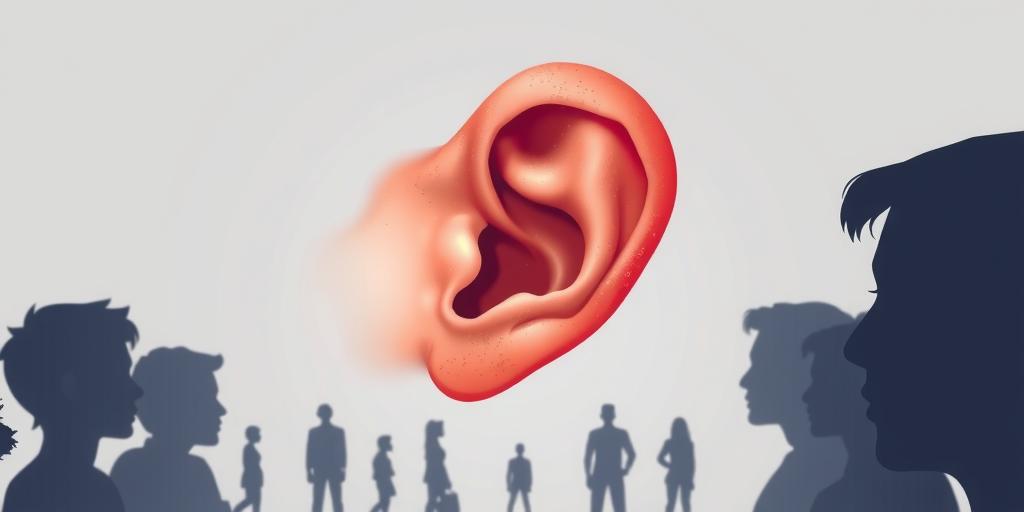 Microtia is a congenital condition where the external ear, known as the pinna or auricle, is underdeveloped or malformed. The severity of microtia can range from mild, where the ear is slightly smaller or misshapen, to severe, which can lead to anotia, the complete absence of the external ear. This condition occurs in about 1 in every 6,000 to 7,000 births, making it a relatively rare occurrence. Research indicates that microtia is more prevalent among males and certain ethnic groups, particularly Hispanics, Asians, and Native Americans, highlighting the importance of recognizing and understanding this condition in diverse populations.
2. How Microtia is Identified in Newborns
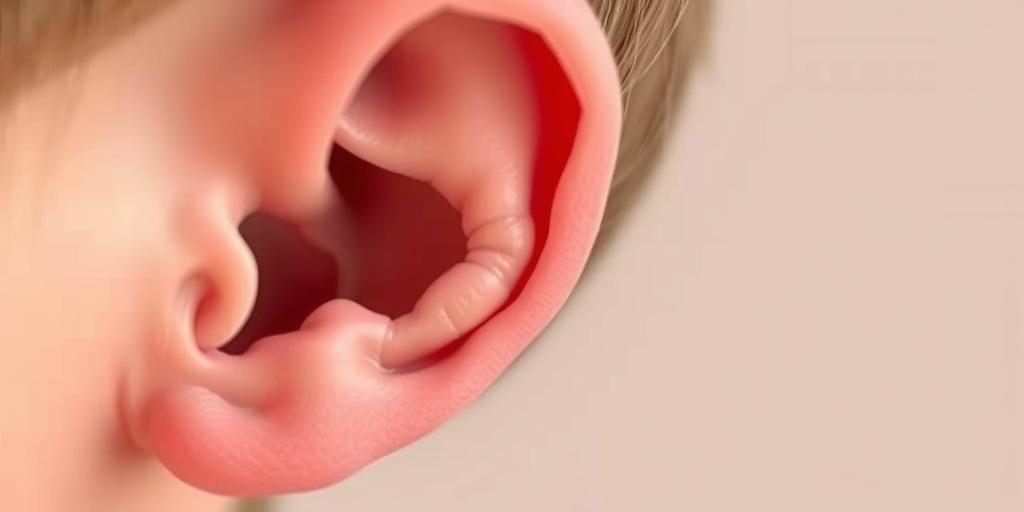 Microtia is often identified at birth through a thorough physical examination. Newborns with this condition may show visible signs, such as one ear being smaller than the other or having an atypical shape. In some cases, healthcare providers may also use prenatal ultrasounds or fetal MRIs to detect microtia before the baby is born, although this is rare. Alongside the ear deformity, it’s crucial to check for associated conditions like hearing loss, as many infants with microtia may experience some degree of auditory impairment. Therefore, hearing tests are recommended shortly after birth. Additionally, since the urinary system develops around the same time as the ears, a kidney ultrasound may also be performed to ensure there are no related abnormalities.
3. The Role of Ear Well Centers of Excellence
 Ear Well Centers of Excellence specialize in the non-surgical correction of infant ear deformities, including microtia. They have a dedicated team of trained physicians who use the EarWell system to reshape ears effectively. This approach not only focuses on physical correction but also on the emotional well-being of the child. By addressing these deformities early, the centers aim to prevent potential teasing and social stigma that often accompany ear abnormalities. Over 100,000 infants worldwide have benefited from the EarWell treatment, highlighting its success and the commitment of these centers to enhance the quality of life for children facing ear deformities. By providing timely and specialized care, these centers play a crucial role in ensuring that affected children can grow up feeling confident and accepted.
4. Non-surgical Treatment Options for Microtia
Non-surgical treatment options for microtia focus on early intervention to correct ear deformities without the need for invasive procedures. One of the most effective methods is the EarWell Infant Ear Correction System. This system uses a custom-molded device that gently reshapes the ear during the first few weeks of life. The device is designed to apply gentle pressure in a way that encourages the ear to develop its natural shape. This non-invasive approach minimizes pain and avoids the complications often associated with surgical options.
The success of the EarWell system largely depends on early application, ideally starting within the first two weeks after birth. Research shows that infants treated with this method experience significant improvements in ear shape, which can contribute to better self-esteem as they grow. By providing an alternative to surgery, parents can choose a method that aligns with their desire to minimize risks associated with surgical interventions.
Moreover, the non-surgical approach can be especially beneficial for families who may be apprehensive about surgery. It allows for a more gradual correction, and in many cases, the results can be visible within just a few months. Overall, non-surgical options like the EarWell system represent a promising path for infants with microtia, addressing both the physical aspects of the condition and the emotional well-being of the child.
- Custom ear molds to improve ear shape
- Use of ear prosthetics as a temporary solution
- Audiological support for hearing impairments
- Parent education and support groups
- Early intervention programs for language development
- Regular monitoring and follow-up appointments
- Nutritional support and overall health assessments
5. Surgical Treatments for Persistent Microtia
Surgical treatment for persistent microtia is usually considered when non-surgical methods, such as the EarWell system, do not fully correct the ear’s appearance. Typically, this surgical intervention takes place when the child is between 6 to 10 years old, as this is when the ear has grown enough to allow for reconstruction while minimizing complications. The most common surgical approach involves using rib cartilage, which is harvested from the child’s rib cage, to craft a new ear structure. This cartilage is shaped to create a natural-looking ear and is then placed beneath the skin of the existing ear area. In some cases, synthetic implants may also be used if rib cartilage is not suitable or available.
Recovery from surgery usually takes a few weeks, during which the child may need to wear a protective headband to shield the new ear from trauma. Post-operative care is crucial to ensure the best aesthetic and functional results. Parents should monitor their child for any signs of infection and follow up regularly with the surgeon.
It is important to note that while surgical reconstruction can significantly improve the appearance of the ear, it may not fully restore hearing if associated structural issues are present. Therefore, a comprehensive approach, including audiological assessments, is essential to address both visual and functional aspects of microtia. The combination of surgery and ongoing care can help children with microtia lead fulfilling lives, free from the social stigma often associated with ear deformities.
6. Associated Conditions with Microtia
Microtia is often linked to several associated conditions that can affect a newborn’s overall health and development. One of the most common conditions is hearing loss, which can range from mild to severe. This is due to the underdevelopment of the ear’s structures that are crucial for hearing. Newborns diagnosed with microtia should undergo hearing tests to assess any potential hearing impairment, which can impact language development and social skills.
Additionally, there can be concerns regarding the kidneys. Since the ears and kidneys develop at the same time during fetal development, it is not uncommon for infants with microtia to have renal anomalies. A kidney ultrasound is often recommended to check for any abnormalities that may require further evaluation or treatment.
Some studies suggest that microtia can also be part of syndromes, such as Goldenhar syndrome or Treacher Collins syndrome, which may involve other physical issues. These syndromes can include facial asymmetry, cleft lip or palate, or other skeletal abnormalities. Therefore, a thorough assessment by a healthcare professional is crucial to identify any other potential concerns and ensure comprehensive care for the infant.
| Condition | Description |
| — | — |
| Hearing Loss | Babies with microtia may have associated hearing loss and should undergo hearing tests. |
| Kidney Issues | A kidney ultrasound may be performed since the urinary system develops concurrently with the ear. |
7. The Impact of Early Intervention on Ear Deformities
Early intervention in cases of microtia can significantly alter the trajectory of a child’s physical and emotional development. When treatments like the EarWell Infant Ear Correction System are initiated soon after birth, they can reshape the ear effectively without the need for invasive surgery. This proactive approach not only minimizes physical discomfort but also addresses potential psychological challenges that children might face as they grow up. For example, children with noticeable ear deformities may experience teasing or bullying, which can lead to low self-esteem and social withdrawal. By correcting these deformities early, families can help their children develop a more positive self-image and improve their social interactions. Furthermore, addressing ear deformities can also enhance hearing capabilities, which is crucial for speech and language development. Research supports that children who receive early treatment for microtia often show better overall outcomes, both in terms of physical appearance and emotional health.
8. Global Success Stories of Ear Well Treatment
Around the world, the EarWell treatment has transformed the lives of many infants with microtia. For example, in the United States, families have reported significant improvements in their children’s ear shape and overall confidence after using the EarWell system shortly after birth. In Brazil, a study highlighted how early intervention led to reduced psychological distress in children, allowing them to integrate better with their peers. Similarly, in Spain, over 1,000 infants have successfully undergone treatment, showing remarkable progress in ear development without the need for surgery. These stories illustrate the global impact of the Ear Well Centers of Excellence in providing accessible and effective care, ensuring that children facing ear deformities can enjoy a better quality of life.
Frequently Asked Questions
1. What is microtia and how does it affect newborns?
Microtia is a condition where a baby’s ear is not fully developed. This can affect how the ear looks and may impact hearing.
2. How can I tell if my newborn has microtia?
You can look for signs like the shape of the ear being different from other babies, or if one ear appears smaller or is missing part of it.
3. Are there other signs or symptoms of microtia I should watch for?
Besides the ear shape, some babies with microtia may also have hearing issues, so it’s important to check if your baby responds to sounds.
4. When should I consult a doctor about possible microtia in my baby?
If you notice unusual ear shape or hearing difficulties, it’s a good idea to talk to your doctor as soon as possible.
5. What tests will the doctor do to confirm microtia in my baby?
The doctor may examine your baby’s ears and perform hearing tests to see if there are any concerns related to microtia.
TL;DR Microtia is a congenital ear deformity present in 1 in 6,000 to 7,000 births, identified through physical examinations or possibly prenatal imaging. Treatment includes non-surgical methods like the EarWell Infant Ear Correction System and surgical interventions if needed. Ear Well Centers of Excellence specialize in early treatment to prevent social stigma and associated issues, benefiting over 100,000 infants globally.