How to Identify Lidding Ear Deformity in Newborn Infants
Lidding ear deformity is when the upper part of a newborn’s ear folds over, giving it a lid-like appearance. This affects more than 25% of infants with irregular ear shapes. To identify this condition, check for noticeable folding at the ear’s top, which can impact its outer structure. Unlike other deformities such as Stahl’s or constricted ears that affect specific areas, lidding is more generalized. Factors like genetics and certain pregnancy conditions may play a role in its development. Most babies maintain normal hearing despite this deformation. Early intervention and specialized care can greatly enhance treatment outcomes for affected infants.
1. Understanding Lidding Ear Deformity
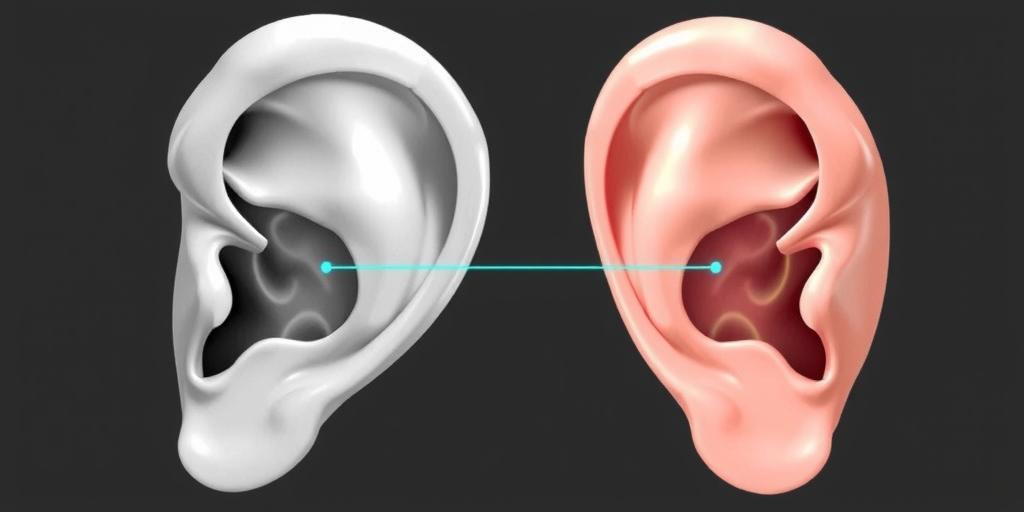 Lidding ear deformity is a condition where the upper part of the ear folds over, giving it a lid-like appearance. This deformity is quite common, affecting over 25% of newborns with irregular ear shapes. Identification is relatively straightforward; parents and caregivers should look for any noticeable folding at the top of the ear, which can impact a significant area of the outer ear structure. It is important to differentiate lidding ear deformity from other ear issues such as Stahl’s ear or constricted ear, which affect specific areas of the ear differently. Early identification is key, as it allows for timely intervention and treatment.
2. Causes of Lidding Ear Deformity
Lidding ear deformity can arise from various factors. Genetic factors play a significant role; if there is a family history of ear deformities, the likelihood of a newborn having a similar condition increases. Intrauterine conditions also contribute, as disruptions in blood flow during pregnancy can impact the development of the ear. Additionally, external influences such as exposure to certain medications or infections during pregnancy may affect ear formation. For instance, if a mother takes specific medications known to have side effects on fetal development or contracts an infection, it could lead to variations in ear shape, including lidding. Understanding these causes can help parents and healthcare providers manage and anticipate potential ear deformities.
- Genetic factors influencing ear shape
- Environmental factors during pregnancy
- Maternal smoking or drug use
- Mechanical factors during delivery
- Intrauterine position of the fetus
- Lack of prenatal care
- Congenital syndromes associated with ear deformities
3. Role of Ear Well Centers of Excellence
Ear Well Centers of Excellence play a crucial role in the management and treatment of lidding ear deformity in newborns. These specialized centers are dedicated to addressing ear deformities and are staffed with experts who understand the complexities of infant ear development. They offer both non-surgical and surgical options tailored to the unique needs of each child.
One of the primary non-surgical treatments provided at these centers is the EarWell® Infant Ear Correction System. This innovative, non-invasive method applies gentle pressure to reshape the ear in the early weeks of life when the cartilage is still soft and pliable. The system consists of a support cradle, a cover shell, retractor pieces to apply gentle pressure, and adhesive strips to secure everything in place. This approach can significantly improve the ear’s appearance without the need for surgery.
In cases where non-surgical methods are not suitable or effective, these centers also offer surgical options like otoplasty, which can be performed when the child is between ages 5-6. This ensures that children can receive appropriate care at the right time.
Moreover, the importance of early intervention cannot be overstated. The success of the EarWell® system is highly dependent on starting treatment as soon as possible after birth. Parents can trust that these centers are equipped with the latest techniques and a compassionate approach to care, making them an invaluable resource for families dealing with lidding ear deformity.
4. Non-Surgical Treatments for Lidding Ear Deformity
 Non-surgical treatments for lidding ear deformity focus on reshaping the ear without the need for invasive procedures. One of the most effective methods is the EarWell® Infant Ear Correction System. This system is designed for use in the first few weeks of life when a newborn’s ear cartilage is still soft and pliable, making it easier to mold. The EarWell® system consists of a supportive cradle, a cover shell, retractor pieces that apply gentle pressure to the ear, and adhesive strips to keep everything securely in place.
The process typically begins with a consultation at an Ear Well Center of Excellence, where specialists assess the severity of the deformity and determine if the EarWell® system is appropriate. If so, the device is fitted to the infant’s ear and worn for a period of time, usually several weeks. During this time, regular follow-ups are conducted to monitor progress and make any necessary adjustments.
Parents often report positive outcomes, as the system not only improves the appearance of the ear but also helps alleviate any potential psychological impacts associated with ear deformities. It is essential to start this treatment early, as the results tend to be more successful when initiated within the first few weeks after birth.
| Treatment Method | Description | Benefits |
| — | — | — |
| EarWell® Infant Ear Correction System | A non-invasive method using gentle pressure to reshape the ear in the first few weeks of life. | Effective reshaping when cartilage is pliable. |
| Cradle for Support | Provides a stable base for the ear during treatment. | Ensures proper alignment. Precision application of pressure. |
| Cover Shell | A protective outer layer placed over the ear. | Prevents disturbance to the shaping process. |
| Retraction Pieces | Used to apply gentle pressure to specific areas of the ear. | Targets folds effectively. |
| Adhesive Strips | Secures the components in place during treatment. | Allows for uninterrupted treatment period. |
5. Surgical Options for Lidding Ear Deformity
When non-surgical methods like the EarWell® system are not effective or applicable, surgical options become a consideration for correcting lidding ear deformity. The most common surgical procedure is otoplasty, which involves reshaping the ear to achieve a more typical appearance. This procedure is generally performed when the child is between the ages of 5 and 6, allowing for the ears to be fully developed while still offering a good chance for adjustment.
Otoplasty can vary in complexity depending on the severity of the deformity. In some cases, the surgeon may need to remove excess skin or cartilage to create a more natural contour. The procedure is typically performed under local anesthesia, and most children can return home the same day. Recovery involves a period of wearing a protective headband to help keep the ears in their new position.
Parents should consult with a pediatric plastic surgeon who specializes in ear reconstruction. It’s essential to discuss the specific techniques used and the expected outcomes, as well as any associated risks. With the right care and expertise, surgical options can lead to significant improvements in both appearance and self-esteem for children with lidding ear deformity.
6. Impact on Hearing in Newborns
Most infants with lidding ear deformities typically maintain normal hearing. The shape of the outer ear, while it may appear unusual, does not usually interfere with the auditory structures that are responsible for hearing. For instance, the ear canal and the inner ear, which play crucial roles in sound transmission, are generally unaffected by the deformity. In some rare cases, if the deformity is associated with other ear anomalies, further evaluation might be necessary to ensure hearing is not impaired. Regular hearing assessments can help monitor any potential issues that may arise, but for the vast majority of newborns with lidding ear deformity, hearing remains intact.
7. Choosing the Right Specialist for Treatment
 When seeking treatment for lidding ear deformity, it’s essential to find the right specialist. Look for practitioners who focus on pediatric otoplasty and have significant experience with the EarWell® system. Consider their success rates and ask for testimonials from previous patients to gauge their effectiveness. A qualified specialist will not only provide a thorough evaluation but also discuss tailored treatment options, ensuring that your child’s unique needs are addressed. It’s beneficial to consult with professionals at recognized Ear Well Centers of Excellence, where they are equipped with the latest techniques and expertise in managing ear deformities.
8. Addressing Common Concerns About Treatment
Many parents worry about hearing loss when they notice lidding ear deformity in their newborn. However, most children with this condition maintain normal hearing, as the deformity primarily affects the outer ear’s shape and does not interfere with the inner structures responsible for hearing. Parents often have questions regarding treatment options available for lidding ear deformity. It’s important to discuss both non-surgical methods, like the EarWell® Infant Ear Correction System, and surgical options with specialists to determine the best course of action for their child. Additionally, concerns about insurance coverage for these treatments are common. Thankfully, many insurance plans do cover treatments for ear deformities, but it’s crucial for parents to verify the details with their provider to avoid unexpected costs.
9. Early Intervention Benefits for Infants
Early intervention for lidding ear deformity can significantly enhance the outcomes for infants. The first few weeks of life are crucial because the cartilage in the ear is still soft and pliable, making it easier to reshape. For example, using the EarWell® Infant Ear Correction System during this time can lead to more successful corrections, often avoiding the need for surgical options later on.
Additionally, early intervention helps parents address any aesthetic concerns they may have about their child’s appearance. Infants who receive treatment early are less likely to face teasing or self-esteem issues as they grow older, as the deformity is corrected before they reach school age.
Moreover, addressing ear deformities early can also alleviate potential psychological impacts, allowing children to develop a positive self-image from a young age. By prioritizing early intervention, families can foster a nurturing environment where their child feels confident and comfortable in their own skin.
Frequently Asked Questions
1. What is lidding ear deformity in newborns?
Lidding ear deformity is a condition where a baby’s ear is shaped such that the top part is folded over or covers some of the ear opening.
2. How can I tell if my newborn has lidding ear deformity?
You can check if your newborn has this condition by gently looking at their ears from different angles. If you see that the ear folds over or is not standing out as it should, it might be lidding ear deformity.
3. Are there any signs to look for in a lidding ear deformity?
Yes, look for unusual ear shapes, such as parts that seem squashed or when the ear does not stick out from the head. These can be signs of lidding ear deformity.
4. Is lidding ear deformity serious for my newborn?
Lidding ear deformity is usually not serious and often does not affect hearing or health. However, it’s good to discuss it with your doctor.
5. What should I do if I think my newborn has this condition?
If you think your baby has lidding ear deformity, you should consult a pediatrician or a specialist who can give you the right advice and treatment options.
TL;DR Lidding ear deformity, common in over 25% of newborns, means the top part of the ear folds over. It can arise from genetic factors, intrauterine conditions, or external influences. Most infants with this condition have normal hearing. Early intervention with non-surgical methods like the EarWell® system is crucial for effective treatment. If necessary, surgical options are available, typically around ages 5-6. Choose specialists experienced in treating ear deformities for the best outcomes.