How to Identify Helical Rim Ear Deformity in Newborns
Helical Rim Ear Deformity is a condition observed in newborns, marked by irregularities in the ear’s upper edge. At birth, these irregularities can range from slight kinks to larger absent sections. To identify this deformity, parents should examine their baby’s ears for signs of tightness, wrinkles, or folding. Early detection is key; treatment works best when started within the first three weeks of life. Ear Well Centers of Excellence specialize in diagnosing and treating such conditions using non-surgical methods like the EarWell® Infant Ear Correction System. For severe cases, surgery might be necessary, but close monitoring after treatment ensures healing and effectiveness.
1. Understanding Helical Rim Ear Deformity
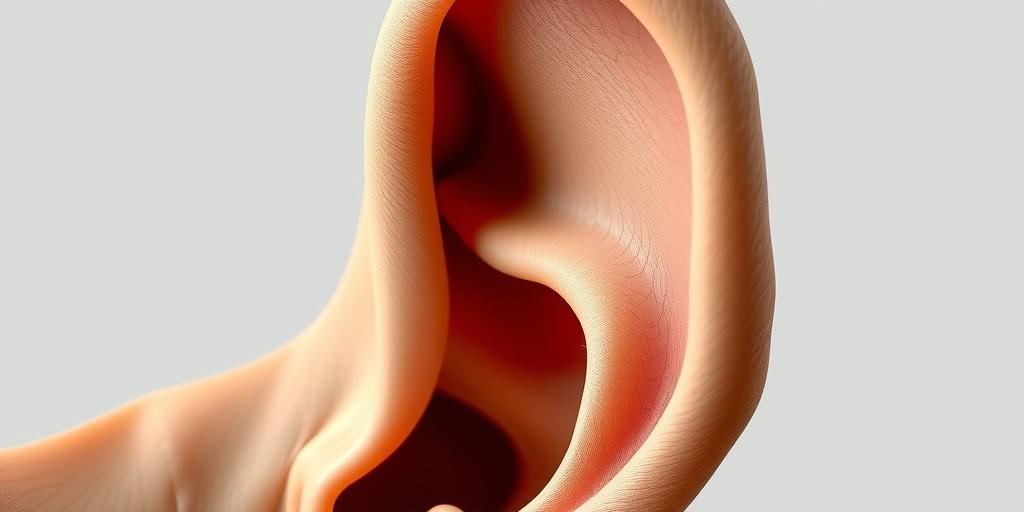 Helical Rim Ear Deformity is characterized by irregularities along the outer edge, or ‘rim,’ of the upper ear. This condition is typically noticeable at birth and can vary significantly in severity. In some cases, the deformity may present as minor kinks, while in more severe instances, there may be a significant portion of the helix missing entirely. The primary cause of this deformity is congenital, meaning it is present at birth due to the way the ear developed in the womb. However, it can also occur as a result of trauma or injury to the ear after birth. Understanding the nuances of this condition is essential for parents and caregivers, as early identification plays a key role in effective treatment.
2. Signs and Symptoms of the Deformity
Helical Rim Ear Deformity can often be identified through careful observation of the newborn’s ears. Parents and caregivers should look for specific physical traits during a gentle examination. Common signs include an unusual shape of the ears, where the helical rim may appear tight, wrinkled, or even folded over. In some cases, parts of the helix may be missing entirely, leading to noticeable irregularities. Additionally, one ear may look different from the other, affecting overall symmetry. For example, if one ear has a pronounced kink or is positioned lower than the other, it might indicate the presence of this deformity. Being vigilant about these signs can help in early identification and prompt consultation with a healthcare professional.
- Abnormal shape of the outer ear
- Asymmetry between both ears
- Lack of defined helix or rim
- Flat appearance of the ear
- Displacement of the ear from the head
- Skin folds or tags near the ear
- Hearing difficulties related to ear shape
3. Role of Ear Well Centers of Excellence
Ear Well Centers of Excellence play a vital role in the early diagnosis and treatment of Helical Rim Ear Deformity. These specialized centers focus on identifying ear deformities promptly, which is essential for effective management. They utilize advanced tools like the EarWell® Infant Ear Correction System, a non-invasive device that gently reshapes the ear cartilage. This system has shown a remarkable success rate of around 90% when treatments begin within the first three weeks of life. By offering non-surgical options, these centers help parents avoid the stress of surgical interventions unless absolutely necessary. The expertise found at Ear Well Centers ensures that infants receive tailored care, optimizing the chances for a normal ear shape as they grow. Additionally, these centers provide educational resources and support, guiding families through the treatment process and addressing any concerns that may arise.
4. Non-Surgical Correction Methods
One of the primary non-surgical options available for correcting Helical Rim Ear Deformity is the EarWell® Infant Ear Correction System. This device is designed to gently mold the ear back to a more typical shape using a series of soft, flexible molds that are applied to the ear. The system works by applying gentle pressure to the ear cartilage, which is still pliable in newborns, allowing for effective reshaping without the need for surgery.
Timing is critical for the success of this treatment. The best results are usually seen when the EarWell® system is applied within the first three weeks of life. During this period, the cartilage in a newborn’s ear is soft and can be molded more easily. For instance, a baby with a slightly folded ear might show significant improvement within a few weeks of wearing the device, as the ear begins to adapt to its new shape.
Parents should also be aware that the non-surgical approach is not a one-size-fits-all solution. Regular follow-up appointments with specialists are essential to monitor the effectiveness of the treatment and to make any necessary adjustments to the device. This ongoing care ensures that the molded shape is maintained as the baby grows.
5. Surgical Interventions for Severe Cases
In severe cases of Helical Rim Ear Deformity, surgical intervention may become necessary when non-surgical methods fail to achieve the desired results. Surgical options typically involve reshaping the ear’s cartilage to restore its natural appearance. This can include techniques such as cartilage grafting, where tissue is taken from another part of the body to support the reshaping process. Although surgery can be effective, it does carry certain risks. These include potential complications like infection, adverse reactions to anesthesia, and scarring at the incision site. Parents should have thorough discussions with a pediatric plastic surgeon to understand the potential outcomes and risks involved, ensuring that they make informed decisions about their child’s treatment.
6. Post-Treatment Monitoring and Care
After treatment for Helical Rim Ear Deformity, consistent monitoring is essential to ensure that the ears heal properly and that the treatment is effective. Parents should schedule regular follow-ups with their healthcare provider, typically every few weeks, to assess the progress. During these visits, specialists will evaluate the shape of the ears, check for any signs of complications, and make adjustments to the treatment plan if necessary.
In cases where the EarWell® system was used, it’s particularly important to monitor how well the device fits as the infant grows, as their ear shape may change. If any issues arise, such as skin irritation or the device becoming loose, parents should contact their specialist immediately.
Documentation of changes is also beneficial. Parents can take photos of their child’s ears at various stages of treatment to track improvements over time. This visual record can help both parents and healthcare providers understand the effectiveness of the intervention.
In summary, post-treatment care involves regular specialist visits, monitoring for complications, and maintaining open communication with healthcare providers to ensure the best outcomes for the child.
7. Additional Resources for Families
Families seeking guidance on Helical Rim Ear Deformity can find a wealth of resources to help them navigate this condition. Pediatricians can provide initial assessments and referrals to specialists. It’s beneficial to connect with pediatric plastic surgeons or otolaryngologists who have experience in treating ear deformities. Many Ear Well Centers of Excellence offer educational materials that explain treatment options, expected outcomes, and aftercare. Support groups, both online and in-person, provide a space for parents to share experiences and advice. Websites dedicated to congenital ear deformities can also offer valuable insights, including personal stories and expert articles. Engaging with these resources can empower families to make informed decisions regarding their newborn’s care.
Frequently Asked Questions
1. What is helical rim ear deformity in newborns?
Helical rim ear deformity is a condition where the outer edge of a baby’s ear doesn’t form properly, making it look unusual.
2. How can I tell if my baby has helical rim ear deformity?
Look for differences in the shape of your baby’s ears, especially the outer curve. If one ear looks very different from the other, it might be helical rim ear deformity.
3. Are there any other signs of helical rim ear deformity?
Yes, you might notice that the ear is smaller than usual or that it has a flat appearance at the top.
4. Should I be worried if my baby has this ear deformity?
Not necessarily, but it’s a good idea to talk to your pediatrician to see if any treatment is needed.
5. Can helical rim ear deformity affect my baby’s hearing?
Usually, helical rim ear deformity does not affect hearing, but your doctor can check to be sure.
TL;DR Helical Rim Ear Deformity is a birth condition characterized by irregularities in the outer ear’s rim. Identifying symptoms early—like ear shape abnormalities—is vital for effective treatment. Non-surgical options like the EarWell® system are most effective when used within the first three weeks of life. Severe cases may require surgery. Families should monitor progress post-treatment and seek help from specialized centers to ensure the best outcomes.