How to Identify Prominent Ear Deformity in Newborn Infants
Prominent ear deformity, often called cup ear, occurs when an infant’s ear sticks out more than it should, measuring over 9mm from the head. To identify this issue, caregivers should visually examine the shape and position of the ears and use a ruler or caliper to measure the distance from the helical rim to the mastoid bone. Common types include cup ear, Stahl’s ear with its pointed rims, and constricted or lop ears. Early detection is super important because it helps ensure successful treatment options like those offered at Ear Well Centers of Excellence. These centers provide customized plans and continuous monitoring for better outcomes.
1. Understanding Prominent Ear Deformity
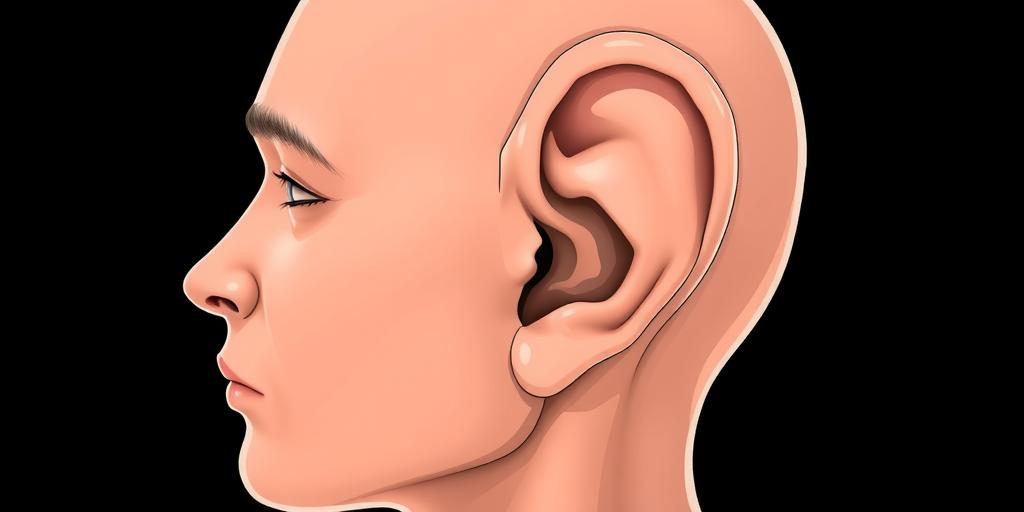
Prominent ear deformity, commonly known as cup ear, is a condition where an infant’s ear protrudes more than usual from the side of their head. Typically, a normal ear will project less than 7mm from the mastoid bone, while any projection exceeding 9mm is considered significant. This condition can be identified through a careful visual examination and precise measurement. The shape and position of the ear need to be assessed, as even subtle differences can indicate a deformity. Measurement is often done using a ruler or caliper to determine the distance from the mid-helical rim to the mastoid. Identifying such deformities early is crucial for effective treatment. Common variations include cup ear, which features an incomplete opening or folding of the ear; Stahl’s ear, which has pointed upper rims; and constricted ear, also known as lop ear, where the ear appears folded or wrinkled. Understanding these characteristics can help parents and caregivers recognize potential issues during the early stages of an infant’s life.
2. Identification Techniques for Ear Deformity
Identifying prominent ear deformity in newborns requires careful observation and precise measurement. The first step is a visual examination of the ear’s shape and position. Look for any signs of abnormal protrusion or irregularity in the ear structure. This can involve comparing the ear’s appearance to that of typical newborns, keeping in mind that even slight differences can indicate a potential deformity.
Next, measurement plays a crucial role. Using a ruler or caliper, measure the distance from the mid-helical rim of the ear to the mastoid process behind the ear. Normal projection should be under 7mm, while anything over 9mm is considered significant. This quantitative assessment helps in determining the degree of prominence and can guide further action.
For example, if a newborn’s ear measures 10mm from the mastoid, it may be classified as a prominent ear, warranting further evaluation or intervention. It is essential to perform these assessments shortly after birth, as early detection can lead to more effective treatment options later.
- Visual observation of ear placement
- Assessment of ear shape and contour
- Palpation of the ear structure
- Comparison with standard ear measurements
- Identification of associated physical characteristics
- Parental history review regarding family traits
- Monitoring ear position during various activities
3. Common Types of Ear Deformities
Prominent ear deformities come in various forms, each with unique characteristics. One common type is cup ear, where the ear has an incomplete opening or a folding appearance, giving it a cup-like shape. This can lead to the ear appearing smaller or more tucked in compared to a normal ear. Another type is Stahl’s ear, which is noted for its pointed upper rims, often resembling a pixie or elf ear. This condition occurs when the antihelical fold is absent or poorly developed, causing the ear to stand out more prominently. Lastly, there’s the constricted ear, also known as lop ear. This deformity features a folded or wrinkled appearance, where the ear may appear to be pulled or tucked downwards. Each of these deformities can vary in severity and may require different approaches for correction.
| Type of Ear Deformity | Description |
|---|---|
| Cup Ear | An incomplete opening or folding of the ear. |
| Stahl’s Ear | Characterized by pointed upper rims. |
| Constricted Ear | Also known as ‘lop ear,’ where the ear is folded or wrinkled. |
4. Role of Ear Well Centers of Excellence
Ear Well Centers of Excellence play a crucial role in addressing prominent ear deformities in newborns through non-surgical methods. One of the primary treatments offered is the EarWell Infant Ear Correction System, which is designed to gently mold the shape of the ear. This system is particularly effective for conditions like lidding ear deformity, where the shape and angle of the ear can cause it to protrude more than desired. By applying gentle pressure, the EarWell system helps to create a more typical ear shape, enhancing both aesthetics and function.
Early intervention is vital for the success of these treatments. Ideally, molding should begin within the first few weeks of life when the cartilage of the ear is still soft and pliable. This early action can lead to significant improvements and reduce the likelihood of needing surgical options later on.
The centers emphasize customized treatment plans tailored to each infant’s specific needs. During initial assessments, experts evaluate the degree of the deformity and determine the best approach for correction. Follow-up appointments are essential for monitoring progress and making necessary adjustments to the treatment plan.
Additionally, these centers provide valuable educational resources for parents. They help families understand the nature of ear deformities, the importance of early detection, and the available treatment options. This guidance empowers parents to make informed decisions about their child’s care and to seek timely intervention.
5. Non-Surgical Correction for Lidding Ear Deformity
Non-surgical correction for lidding ear deformity involves innovative techniques that can reshape the ear without the need for surgical procedures. One of the most effective methods is the use of the EarWell Infant Ear Correction System. This system is designed specifically for newborns and works by gently molding the ear into a more natural shape over time.
The EarWell system targets the antihelical fold, which is essential in giving the ear its normal contour. By applying light pressure, it helps to decrease the conchal-mastoid angle, which is often a contributor to excessive ear projection. This approach is particularly beneficial for infants diagnosed with lidding ear deformity, as it can significantly improve the aesthetic appearance of the ear.
Treatment is most effective when initiated early, ideally within the first few weeks of life. During this critical period, the cartilage in a newborn’s ear is still pliable, making it easier to mold. Regular follow-ups at Ear Well Centers allow for continuous adjustments to ensure the best fit and effectiveness of the system.
Parents often notice changes in their child’s ear shape within a few weeks of starting treatment. For example, a child with significant prominence may show marked improvement, transitioning to a more typical ear shape as the molding process continues. This non-invasive approach not only enhances the ear’s appearance but also helps avoid the need for more invasive surgical options later in life.
6. Customized Treatment Plans at Ear Well Centers
At Ear Well Centers, each infant’s ear condition is unique, requiring personalized treatment plans. When a newborn is assessed for prominent ear deformity, specialists consider the specific shape and projection of the ears to develop a tailored approach. For example, if a baby presents with cup ear, the treatment will focus on gently molding the ear into a more natural shape using the EarWell system.
The centers also prioritize continuous monitoring to track the progress of the treatment. Regular follow-up appointments allow healthcare providers to make necessary adjustments to the ear mold, ensuring optimal results. This individualized care helps in achieving the desired ear shape while minimizing discomfort for the infant.
Furthermore, parents are provided with educational resources to help them understand the nature of their child’s deformity and the treatment process. This emphasis on customized care and ongoing support plays a crucial role in the successful treatment of ear deformities in newborns.
7. Continuous Monitoring and Support
Continuous monitoring and support are essential components in managing prominent ear deformities in newborns. After an initial assessment and the commencement of treatment, regular follow-up appointments allow healthcare providers to track the progress of the ear’s development. During these visits, measurements are taken to ensure that the treatment is effectively reshaping the ear according to the desired outcome.
For example, if a baby is undergoing treatment with an EarWell system, healthcare professionals will monitor how well the ear is responding to the corrective measures. If the ear does not show adequate improvement, adjustments can be made to the treatment plan to enhance effectiveness. This kind of attentive care helps to minimize the risk of further deformity and ensures that the infant’s ears develop normally.
In addition to physical assessments, providing emotional support to parents is equally crucial. Parents may have concerns about their child’s appearance or the potential for future complications. By fostering open communication and providing reassurance, healthcare providers can help alleviate anxiety and promote understanding of the process. This nurturing support encourages parents to remain engaged in their child’s treatment, which can contribute to a more positive outcome.
8. Educational Resources for Parents
Parents can access a variety of educational resources to better understand prominent ear deformities and the options available for their newborns. Healthcare providers often recommend pamphlets and online articles that explain the different types of ear deformities and their characteristics, helping parents to identify any concerns early on. Many Ear Well Centers of Excellence also offer workshops or informational sessions for parents, providing them with expert insights and firsthand experiences from other families.
In addition to printed materials, online forums and support groups can connect parents with others facing similar challenges. These platforms allow sharing of personal stories and experiences, creating a supportive community. Parents can also find educational videos that demonstrate the non-surgical treatment options available, such as the EarWell Infant Ear Correction System.
Healthcare professionals, including pediatricians and specialists at Ear Well Centers, are invaluable resources for parents. They can provide tailored advice, answer questions about the treatment process, and emphasize the importance of early detection and intervention. Engaging with these resources enables parents to make informed decisions about their child’s care.
9. Importance of Early Detection in Treatment
Early detection of prominent ear deformity is crucial for several reasons. First, identifying these deformities shortly after birth allows for timely intervention, which can significantly improve treatment outcomes. For instance, when corrective measures are initiated within the first few weeks of life, the likelihood of successful non-surgical treatment increases, potentially avoiding the need for more invasive surgical procedures later on.
Moreover, parents and healthcare providers play a vital role in recognizing the signs of ear deformities. Educating them about what to look for can lead to quicker referrals to specialists. For example, if a caregiver notices that an infant’s ears are protruding more than usual, they can act promptly and seek evaluation from an Ear Well Center. This proactive approach is essential as it enables personalized treatment plans that cater to the specific needs of each infant.
In addition, early detection helps in alleviating potential psychological effects that may arise from noticeable ear deformities as children grow. Children with prominent ears who receive treatment early are less likely to face teasing or social stigma related to their appearance, fostering greater confidence and self-esteem in their formative years.
Frequently Asked Questions
1. What is prominent ear deformity in newborns?
Prominent ear deformity is when a baby’s ears stick out more than usual from their head. This can happen because of how the ear develops.
2. How can I tell if my baby has prominent ear deformity?
You can look at your baby’s ears from the front. If they seem to stick out more than usual, especially if they are more than 2 centimeters away from the head, they may have a prominent ear deformity.
3. Is prominent ear deformity common in newborns?
Yes, prominent ear deformity is quite common. Many babies are born with ears that stick out, but in most cases, they will look less prominent as the child grows.
4. What causes prominent ear deformity in babies?
The exact cause can vary. Sometimes it is just how a baby’s ear structure forms in the womb, and sometimes it can be due to genetics or family history.
5. Should I be concerned if my baby has prominent ears?
Generally, prominent ears are not a medical issue. However, if you have concerns about your baby’s ears or if it affects their daily life, you should talk to a pediatrician for advice.
TL;DR Prominent ear deformity, often seen in newborns, is characterized by ears that protrude significantly from the head. Early identification involves visual examination and measurement of ear projection. Common types include cup ear, Stahl’s ear, and constricted ear. Ear Well Centers of Excellence offer non-surgical treatment options tailored to individual needs, emphasizing the importance of early intervention for better outcomes. Parents should be aware of the signs of ear deformities to ensure timely referrals and effective correction.