Exploring Ear Deformities in Infants: Causes and Solutions
Ear deformities in infants vary widely, with some being minor and others more serious affecting hearing and appearance. Common issues include prominent ears, where they stick out excessively, microtia which involves underdeveloped outer ears, and atresia that can lead to missing or closed ear canals. Causes include genetic factors linked to specific syndromes, environmental influences during pregnancy like infections or certain medications, as well as mechanical factors from pressure on the ears. Diagnosis is often done during routine check-ups and can involve hearing assessments. Treatment ranges from observation for minor cases to surgical options for severe conditions. Early intervention supports positive development.
1. Overview of Ear Deformities
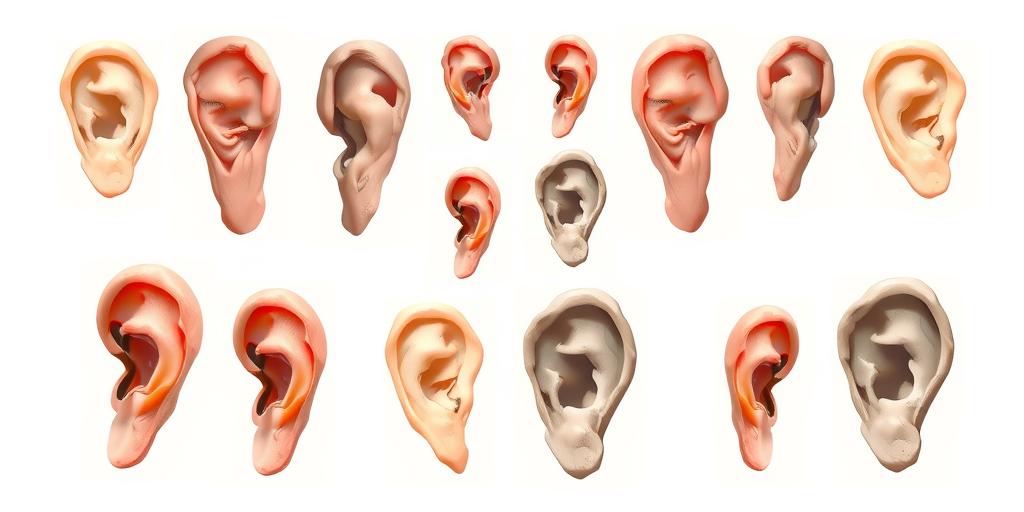
Ear deformities in infants can vary significantly, ranging from minor structural anomalies to more severe conditions that may affect hearing and appearance. Common deformities include prominent ears, where the ears stick out excessively from the head, microtia, a condition characterized by underdeveloped outer ears, and atresia, which involves the absence or closure of the ear canal and can impact hearing. These conditions can occur individually or in combination, leading to a range of challenges for the affected child. Early identification and understanding of these deformities are crucial for effective management and treatment.
2. Causes of Ear Deformities

Ear deformities in infants can arise from various causes. Genetic factors play a significant role; conditions like Treacher Collins syndrome and other hereditary syndromes can lead to structural anomalies. Environmental influences during pregnancy are also crucial. For instance, maternal infections such as rubella can disrupt normal ear development. Additionally, exposure to certain medications, including isotretinoin, or substance abuse, like alcohol and tobacco, can increase the risk of these deformities. Mechanical factors should not be overlooked either; external pressure on the ears during pregnancy or shortly after birth can also cause deformities, especially if the infant is positioned in a way that impacts ear formation. Understanding these causes is essential for prevention and early intervention.
- Genetic factors
- Environmental influences
- Maternal smoking during pregnancy
- Maternal diabetes
- Intrauterine infections
- Use of certain medications
- Nutritional deficiencies during pregnancy
3. Diagnosis of Ear Deformities
Ear deformities in infants are usually identified through a physical examination right after birth or during routine pediatric visits. Pediatricians often assess the shape and position of the ears and may note any anomalies that could indicate a deformity. In cases where the ear canal is absent or closed, such as with atresia, audiological assessments are crucial. These tests evaluate the infant’s hearing capabilities, helping to determine if any hearing loss is present. Early diagnosis is essential for planning appropriate interventions and support.
4. Treatment Options for Ear Deformities
Treatment for ear deformities in infants varies based on the type and severity of the condition. In many cases, observation is recommended for minor deformities, as they may improve naturally as the child grows. For more significant issues, surgical options are available. Otoplasty is a common procedure for correcting prominent ears and is usually performed when the child is between 5 and 7 years old. For conditions like microtia or atresia, reconstructive surgery may be necessary. This often involves multiple stages and can include the use of prosthetic implants to create a more typical ear shape. Additionally, infants with hearing loss due to atresia may benefit from hearing aids or cochlear implants, which can help support their communication skills as they develop.
| Treatment Option | Description | Age of Intervention |
|---|---|---|
| Observation | Many minor deformities may not require treatment and can improve as the child grows. | Varies |
| Otoplasty | Surgical correction of prominent ears, typically performed when the child is around 5-7 years old. | 5-7 years |
| Reconstructive surgery for microtia or atresia | Conducted in stages and may involve prosthetic implants. | Varies |
| Hearing Aids/Implants | Recommended for infants with hearing loss due to atresia to facilitate communication development. | Early intervention |
5. Long-term Outlook for Affected Children
The long-term outlook for children with ear deformities is generally positive. Most infants born with conditions like prominent ears, microtia, or atresia can lead healthy, active lives, especially when diagnosed and treated appropriately. For instance, children with prominent ears usually experience no hearing loss and can undergo otoplasty to correct the appearance of their ears when they are around 5 to 7 years old. Early intervention is crucial; children who receive support, such as speech therapy or audiological assistance, often develop communication skills on par with their peers. In cases of more severe deformities, such as atresia, where hearing may be affected, the use of hearing aids or cochlear implants can significantly enhance auditory capabilities, allowing for better integration into social and educational environments. Overall, with the right medical care and support, many children can thrive despite their ear deformities.
6. Support Resources for Families
Families of infants with ear deformities can greatly benefit from various support resources. Support groups provide a platform for parents to share experiences, discuss challenges, and find comfort in knowing they are not alone. These groups often connect families with others facing similar situations, fostering a sense of community. Counseling services can also be helpful, offering professional guidance to cope with the emotional and psychological impacts of having a child with a deformity. Educational resources, such as brochures, websites, and workshops, can empower parents with knowledge about their child’s condition and treatment options, equipping them to make informed decisions. For instance, organizations like the Ear Community offer extensive information and connect families to specialists and resources tailored to specific ear conditions.
7. Prevention Strategies for Expecting Mothers
Pregnant women can take several proactive steps to minimize the risk of ear deformities in their infants. First and foremost, maintaining regular prenatal care is crucial. This allows healthcare providers to monitor the pregnancy closely and address any potential issues early. It’s also important for expectant mothers to avoid teratogens, which are substances that can cause developmental problems in the fetus. For example, certain medications, like isotretinoin, should be avoided unless prescribed and monitored by a doctor. Additionally, staying clear of alcohol and tobacco is vital, as these substances can lead to a range of complications, including ear deformities.
Maternal infections during pregnancy can also contribute to the risk of ear deformities. To reduce this risk, vaccinations before pregnancy, such as the rubella vaccine, can be very effective. Keeping up with recommended vaccinations and practicing good hygiene can help prevent infections that could harm the developing fetus. Lastly, managing chronic health conditions, like diabetes or hypertension, with the help of healthcare providers can further lower the chances of complications, including those affecting ear development.
Frequently Asked Questions
1. What causes ear deformities in infants?
Ear deformities in infants can be caused by genetics, pressure on the ears in the womb, or certain medical conditions that affect development.
2. How can I tell if my baby’s ear is deformed?
You can notice ear deformities by checking if the shape or position of your baby’s ears looks different from what is usual, like being unusually large, small, or sticking out.
3. Are ear deformities serious and do they need treatment?
Most ear deformities are not serious and can be treated if needed. Treatment may depend on how the ear looks and if it affects hearing.
4. What types of treatments are available for ear deformities in infants?
Treatments can include ear molding, which is a gentle method using a special device, or sometimes surgery, especially if the deformity affects hearing or appearance.
5. When should I consult a doctor about my baby’s ears?
You should consult a doctor if you notice any unusual shape or position of your baby’s ears, or if you’re concerned about their hearing.
TL;DR Ear deformities in infants can range from minor to severe and may impact hearing and appearance. Causes include genetic factors, environmental influences during pregnancy, and mechanical pressure. Diagnosis typically occurs through physical exams and audiological assessments. Treatment may involve observation, surgery, or hearing aids. The long-term outlook is generally positive, with many children leading healthy lives. Support resources are available for families, and expecting mothers can reduce risks through proper prenatal care.