Understanding Ear Infections (Otitis Media) in Infants Aged 0 to 2: Care Guidelines
Ear infections, known as otitis media, can be quite common in infants and toddlers. This inflammation of the middle ear often follows a cold or respiratory infection. There are two main types: acute otitis media (AOM), which comes with sudden pain and fever, and otitis media with effusion (OME), where fluid builds up without obvious infection signs. Symptoms include ear discomfort, fever, irritability, or sometimes fluid drainage. Young age is a risk factor along with exposure to secondhand smoke or allergens. Parents should keep an eye on symptoms and seek medical help if conditions worsen or persist beyond a few days for proper management.
Definition of Otitis Media
Otitis media is an inflammation or infection of the middle ear, which is the space behind the eardrum that contains tiny vibrating bones. This condition is particularly common in infants and toddlers, often occurring after a cold or upper respiratory infection. When fluid builds up in the middle ear, it can become infected, leading to pain and discomfort. In young children, the Eustachian tubes, which help equalize pressure in the ear, are shorter and more horizontal, making it easier for germs to reach the middle ear. Understanding otitis media is crucial for parents, as it can significantly affect a child’s comfort and health.
Types of Otitis Media
Otitis media can be categorized into two primary types: Acute Otitis Media (AOM) and Otitis Media with Effusion (OME). Acute Otitis Media is characterized by a sudden onset of ear pain, often accompanied by fever. This type typically follows an upper respiratory infection, making infants particularly vulnerable. AOM can cause significant discomfort, and parents may notice their child crying more than usual, pulling at their ears, or being irritable due to the pain.
On the other hand, Otitis Media with Effusion involves the accumulation of fluid in the middle ear without any signs of an active infection. This condition may occur after an episode of AOM as the fluid can remain even after the infection has cleared. While OME may not present with the same acute symptoms as AOM, it can lead to difficulties with hearing, which is especially concerning for infants, as it can affect their speech and language development. Both types of otitis media highlight the importance of monitoring symptoms and seeking appropriate care.
| Type | Description |
|---|---|
| Acute Otitis Media (AOM) | Sudden onset of ear pain, often associated with fever. |
| Otitis Media with Effusion (OME) | Fluid accumulation in the middle ear without symptoms of infection; may follow AOM. |
Common Symptoms of Ear Infections
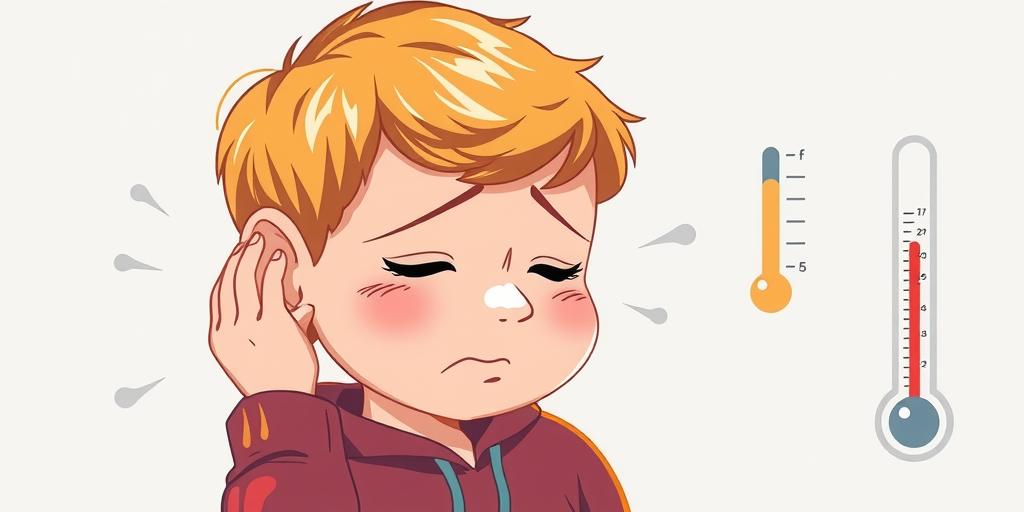
Ear infections, or otitis media, can be challenging to identify in infants as they may not be able to express their discomfort verbally. Common symptoms include noticeable ear pain or discomfort, which might manifest as increased crying or your child pulling at their ears. You may also notice a mild fever accompanying the infection. Irritability is common, and your child may have trouble sleeping due to the discomfort. In some cases, there might be fluid drainage from the ear, which could indicate an infection. Additionally, you may observe a reduced response to sounds, suggesting that the infection could be affecting their hearing. Being aware of these signs can help you address potential ear infections early.
Identifying Risk Factors
Ear infections, specifically otitis media, can occur more frequently in certain infants due to various risk factors. One of the primary factors is age; children between 6 months and 2 years are more susceptible because their immune systems are still developing. Another significant risk is exposure to secondhand smoke. Infants who are around smokers are at a higher risk of developing respiratory infections, which can lead to ear infections. Additionally, infants who attend daycare may have increased exposure to germs and infections from other children, further elevating their risk. Seasonal allergies can also play a role by causing nasal congestion, which can block the Eustachian tubes and lead to fluid buildup in the middle ear. Lastly, a family history of ear infections may indicate a genetic predisposition, making some infants more prone to developing otitis media.
How Ear Infections Are Diagnosed
Diagnosing ear infections in infants typically begins with a thorough review of the child’s medical history and a physical examination by a healthcare provider. Parents may be asked about recent symptoms, such as ear pain, fever, or irritability. The provider will often check for any signs of upper respiratory infections, as these can lead to otitis media. To examine the ear, an otoscope is used, which allows the provider to look inside the ear canal and assess the middle ear for fluid accumulation or signs of infection. In some cases, the presence of a red or bulging eardrum can indicate an acute infection. For infants who have recurrent infections, additional tests may be recommended to rule out underlying issues that could be contributing to their susceptibility.
Management and Treatment Options
For managing ear infections in infants, the approach often depends on the severity and type of otitis media. In mild cases, especially for children older than six months, a strategy known as “watchful waiting” may be recommended. This involves monitoring the child for a few days to see if symptoms improve without immediate medical intervention. If pain or fever is present, over-the-counter medications like acetaminophen or ibuprofen can be given to help relieve discomfort and reduce fever.
In cases where symptoms are more severe or do not improve after 48-72 hours, antibiotics may be prescribed, particularly for acute otitis media (AOM). It is crucial to follow the prescribed course of antibiotics fully, even if the child seems better before finishing the medication.
Follow-up appointments are important to ensure that the infection has cleared up and to monitor for any recurrence or complications. Parents should keep an eye on their child’s symptoms and be ready to return to the doctor if there are concerns. This proactive management can help prevent chronic issues and support the child’s overall health.
- Antibiotic treatments for bacterial infections
- Pain relief medications like acetaminophen or ibuprofen
- Warm compresses to alleviate discomfort
- Monitoring for signs of fever or worsening symptoms
- Possible referral to an ear, nose, and throat (ENT) specialist
- Use of ear drops as prescribed
- Ensuring adequate follow-up appointments post-treatment
Preventive Measures for Ear Infections
Preventing ear infections in infants requires a multi-faceted approach. One of the most effective strategies is to exclusively breastfeed infants for the first six months. Breastfeeding provides essential nutrients and antibodies that help strengthen the infant’s immune system, reducing the likelihood of infections. Additionally, ensuring that infants are up to date with their vaccinations, particularly the pneumococcal vaccine, can significantly lower the risk of developing ear infections.
Reducing exposure to secondhand smoke and allergens is also crucial. Smoke can irritate the respiratory system, making it easier for infections to develop. If possible, create a smoke-free environment and limit exposure to known allergens like pet dander and pollen.
Maintaining proper hygiene is another key preventive measure. Encourage regular handwashing, especially after being in public places or around sick individuals. This simple habit can prevent the spread of germs that lead to upper respiratory infections, which are often precursors to ear infections.
For families with multiple children, consider limiting daycare attendance, as group settings can increase the risk of infections due to close contact with other children. Finally, always consult with a pediatrician regarding any concerns about your child’s health or development, as early intervention can be beneficial in preventing complications.
When to Seek Medical Help
If your child shows signs of a high fever, typically above 102°F (38.9°C), or if they are experiencing severe ear pain, it’s crucial to seek medical attention. Additionally, if the symptoms do not improve after 48 to 72 hours of home care, this could indicate a more serious issue requiring a doctor’s evaluation. Parents should also be alert to persistent fluid drainage from the ear, which can be a sign of infection or other complications. Other warning signs include extreme irritability, lethargy, or if the child has difficulty hearing or responding to sounds. In these cases, prompt medical evaluation is necessary to prevent further complications.
Potential Complications of Ear Infections
Ear infections can lead to several complications, especially if they are recurrent or left untreated. One significant concern is hearing loss. If fluid remains in the middle ear for a prolonged period, it can affect a child’s ability to hear properly, which may lead to delays in speech and language development. For instance, a child who frequently experiences ear infections might struggle to pick up sounds or words, impacting their communication skills.
Another potential complication is the spread of the infection to nearby structures. This can result in serious conditions such as mastoiditis, an infection of the mastoid bone behind the ear. Symptoms of mastoiditis can include swelling, redness, and pain in the area behind the ear, and it often requires more aggressive treatment, including intravenous antibiotics or surgery.
Chronic otitis media is another risk, where the ear infection persists or recurs frequently, leading to ongoing issues with fluid buildup. This condition can cause long-term hearing problems and may require surgical interventions, such as the insertion of ear tubes to help drain fluid and reduce the frequency of infections. Understanding these potential complications emphasizes the importance of timely diagnosis and management of ear infections in infants.
Caring for Your Child with Otitis Media
Caring for a child with otitis media involves closely monitoring their symptoms and ensuring comfort. If your infant shows signs of ear pain, you can help alleviate discomfort by offering acetaminophen or ibuprofen, as directed by your pediatrician. Keeping your child hydrated is also important; encourage them to drink fluids, which can help soothe their throat and reduce any fever associated with the infection.
During episodes of irritability, holding or rocking your child can provide comfort. Positioning them in an upright position, especially during feedings, may help reduce pressure in the ear. If your child has been prescribed antibiotics, ensure they complete the entire course, even if they seem to feel better before finishing the medication.
Be attentive to any changes in your child’s condition. If they develop a high fever or if symptoms persist or worsen, contact your healthcare provider. Additionally, maintaining a calm environment can help reduce stress for both you and your child during this challenging time.
Frequently Asked Questions
1. What are the signs that my baby might have an ear infection?
Common signs include crying more than usual, pulling at their ears, trouble sleeping, a fever, or fluid draining from the ear.
2. How can I prevent ear infections in my infant?
To help prevent ear infections, keep your baby’s environment smoke-free, make sure they’re getting vaccinated, and practice good hygiene like washing hands regularly.
3. What should I do if I think my child has an ear infection?
If you suspect an ear infection, contact your pediatrician. They can check your child’s ears and decide if treatment is needed.
4. Are ear infections serious for infants?
Most ear infections are not serious but should be treated to prevent complications. It’s important to address them with a doctor.
5. How are ear infections in infants treated?
Treatment usually includes pain relief with over-the-counter medications and sometimes antibiotics if the infection is bacterial.
TL;DR Otitis media is a common middle ear infection in infants aged 0 to 2 that can present as acute pain or fluid buildup. Symptoms include ear pain, fever, irritability, and hearing loss. Key risk factors involve age, exposure to smoke, and infections. Diagnosis involves a physical exam with an otoscope. Treatment may include watchful waiting, pain relief, or antibiotics for severe cases. Preventive measures include breastfeeding, vaccinations, and good hygiene. Parents should seek medical help for high fevers or persistent symptoms, as complications can include hearing loss.


