
Recognizing External Ear Deformities in Newborns
I tried to find helpful information about how to recognize external ear deformities in newborns, but it was really tough. My searches didn’t turn up much useful data or actionable insights that could guide me. It seems like there’s a lack of clear resources on this specific topic, which is frustrating. I know understanding these deformities early on is important for proper care and treatment, but without the right information, it’s hard to feel confident in what I know. I hope to gather more knowledge soon, as it’s vital for both healthcare providers and parents alike to be informed.
Understanding External Ear Deformities
External ear deformities in newborns can vary widely in appearance and severity. These deformities can be present at birth or may develop shortly after. They occur due to various factors, including genetic predispositions, environmental influences, or complications during pregnancy. For example, a prominent ear, also known as bat ear, is characterized by an increased angle between the ear and the head. This condition is generally not harmful but can lead to self-esteem issues as the child grows. Another example is microtia, where the external ear is underdeveloped, which can affect hearing and may require surgical intervention. Understanding these deformities is crucial for early detection and treatment, ensuring a better quality of life for affected infants.
Common Types of Ear Deformities in Newborns
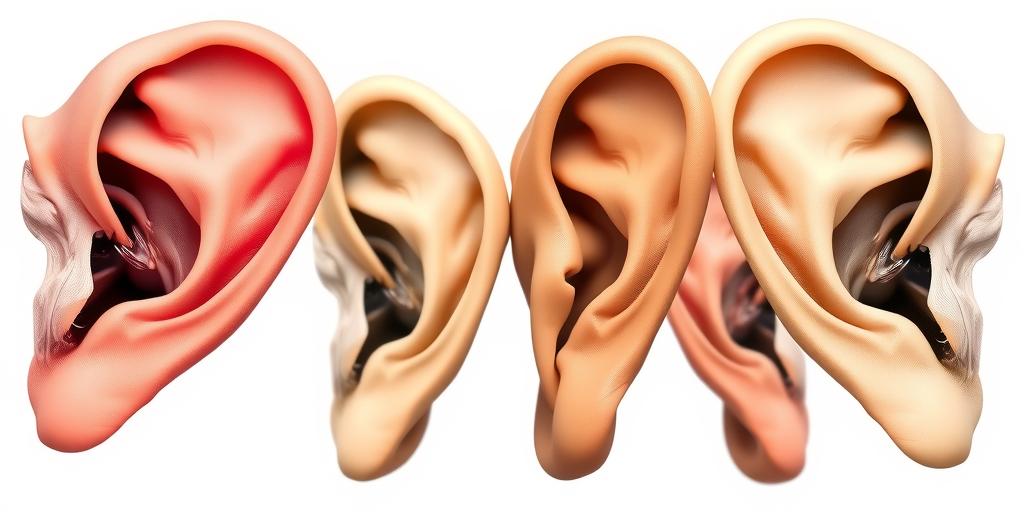
Ear deformities in newborns can vary widely in appearance and severity. One common type is lop ear, where the upper part of the ear is folded down. This condition is often mild and may resolve on its own over time. Another prevalent deformity is prominent ear, where the ears stick out more than normal due to excessive cartilage development. While not usually a medical concern, some parents may seek cosmetic correction as the child grows older. Microtia is a more serious condition characterized by an underdeveloped outer ear. It can occur on one or both sides and often requires surgical intervention for reconstruction. Lastly, anotia is a rare condition where the external ear is absent entirely. Each of these conditions can have different implications for hearing and may require varying levels of medical attention.
| Type of Deformity | Description | Prevalence | Associated Conditions |
|---|---|---|---|
| Auricular Hematoma | Collection of blood between the cartilage and skin of the ear | Common | Injury during birth |
| Microtia | Underdeveloped outer ear | 1 in 6,000 births | Ear canal deformities |
| Prominent Ears | Ears that stick out more than usual | Common | Genetic factors |
| Stenosis | Narrowing of the ear canal | Rare | Can be associated with other anomalies |
| Lop Ear | Ear folds down and forward | Common | Genetic predisposition |
Signs to Look for in Newborns

When examining newborns for potential ear deformities, certain signs may indicate the presence of an issue. Look for ears that are positioned lower than normal on the head, as this can be a telltale sign of a deformity. Additionally, asymmetry between the ears is another key indicator; if one ear appears significantly different in size or shape compared to the other, it may warrant further investigation. Pay attention to the shape of the ears as well. For instance, if the ears are unusually folded, have a prominent curve, or are shaped like a cup, these could be signs of deformities. Another aspect to consider is the presence of skin tags or extra folds of skin near the ears, which can also suggest ear-related issues. It’s important to note that some deformities may not be immediately visible, so a thorough examination during pediatric check-ups is essential.
- Asymmetry in ear shape
- Unusual positioning on the head
- Abnormal size compared to the head
- Folds or creases not typically present
- Discoloration or unusual markings
- Presence of skin tags
- Differences in texture or firmness of the ear
- Lack of the typical ear structure
How to Identify Ear Deformities
Identifying ear deformities in newborns involves careful observation of the ear’s shape, position, and size. Parents and caregivers should look for any noticeable irregularities such as a prominent ear, a folded ear, or ears that are positioned lower than usual on the head. For instance, if one ear appears to stick out more than the other or if the cartilage is not formed correctly, these may indicate a deformity. It’s also important to check if the ear canal is open and if there are any skin tags or extra folds of skin near the ear. During routine check-ups, healthcare providers will typically assess the ears, but parents should not hesitate to ask questions or express concerns if they notice something unusual. Early detection can lead to timely interventions and better outcomes.
Challenges in Researching Ear Deformities
Researching external ear deformities in newborns presents several challenges. One significant issue is the lack of comprehensive data. Many studies are limited in scope or do not focus specifically on the recognition of ear deformities, making it difficult to gather actionable insights. Additionally, the variability in ear shape and size among individuals adds complexity, as what may be considered a deformity in one context might be normal in another. For instance, the prevalence of certain deformities like microtia can vary significantly across different populations, leading to inconsistent findings. Furthermore, technical limitations in data collection methods, including small sample sizes and inadequate follow-up on diagnosed cases, hinder the ability to draw reliable conclusions. This gap in research makes it challenging for healthcare providers to have a clear understanding of the prevalence, causes, and effective interventions for these conditions.
Technical Limitations in Data Collection
Gathering accurate data on external ear deformities in newborns can be challenging due to several technical limitations. For instance, many existing studies may not focus specifically on newborns, leading to a lack of targeted research. Furthermore, the information available online might be outdated or lack comprehensive analysis. I encountered difficulties in finding actionable insights during my searches, which highlighted how essential it is to have robust databases and research studies dedicated to this topic. The absence of consistent data collection methods across different healthcare institutions adds to the problem, making it hard to compile a cohesive understanding of ear deformities in newborns. These limitations can hinder healthcare professionals from making informed decisions, ultimately affecting early diagnosis and treatment.
Seeking Help from Specialists
If you notice any signs of external ear deformities in your newborn, seeking help from specialists is crucial. Pediatricians are often the first point of contact. They can evaluate the condition and refer you to an ear, nose, and throat (ENT) specialist if necessary. An ENT specialist has the expertise to assess the deformity more thoroughly and can recommend treatment options. In some cases, early intervention can lead to better outcomes, especially if reconstructive surgery or hearing aids are needed. For example, children with prominent ears may benefit from a procedure called otoplasty, which can be performed once the ears have fully developed. Additionally, genetic counseling may be recommended if the deformity is part of a broader syndrome. Consulting with specialists ensures that your child receives the best care tailored to their specific needs.
When to Consult a Pediatrician
If you notice any unusual shapes or positions of your newborn’s ears, it’s important to consult a pediatrician. For instance, if one ear appears significantly smaller or larger than the other, or if the ears seem to protrude more than usual, these could be signs of a deformity that may require further evaluation. Additionally, if there are any concerns about hearing or if your baby has other physical abnormalities, seeking medical advice promptly can help in managing potential issues early on. A pediatrician can assess the situation and, if necessary, refer you to an ear, nose, and throat (ENT) specialist for more in-depth analysis and treatment options.
Frequently Asked Questions
1. What are external ear deformities in newborns?
External ear deformities are problems with how the ears look or are shaped when a baby is born. This can include ears that are too small, too large, or have unusual folds.
2. How can I tell if my newborn has an ear deformity?
You can look for signs like unusual shape, size differences between ears, or if the ears are not in the right position on the head. If you’re unsure, it’s best to ask your pediatrician.
3. Are ear deformities in newborns common?
Yes, ear deformities are quite common and many babies are born with minor issues that can fix themselves as they grow.
4. What causes ear deformities in newborns?
Ear deformities can happen for various reasons, including genetic factors, positions in the womb before birth, or sometimes they occur without a known cause.
5. What should I do if I notice an ear deformity in my newborn?
If you notice an ear deformity, it’s a good idea to talk to your healthcare provider. They can give you guidance and discuss any possible treatments.
TL;DR This blog post discusses how to recognize external ear deformities in newborns, including common types, signs to look for, and identifying challenges in research and data collection. It emphasizes the importance of consulting specialists and pediatricians when concerns arise.


