
Non-Surgical Solutions for Newborn Ear Deformities in 2025
Newborn ear deformities can vary from minor issues to major malformations, including conditions like microtia and prominent ears. In 2025, non-surgical solutions have become important for treating these conditions due to their lower risks and non-invasive nature. Techniques like ear molding therapy use soft splints to reshape cartilage early in life, while 3D printed ear molds provide precise fits tailored for each baby. Emerging methods include biodegradable molds that dissolve over time and smart devices that monitor changes. These approaches reduce trauma and are cost-effective, though compliance can be a challenge. Overall, advancements are promising for better outcomes in the future.
1. Understanding Newborn Ear Deformities
Ear deformities in newborns can significantly vary, ranging from minor irregularities to major malformations that affect the ear’s shape and position. Some of the most common types include microtia, which is characterized by an underdeveloped ear, and anotia, the complete absence of an ear. Prominent ears, where the ear sticks out more than usual, also fall into this category. Understanding these conditions is crucial for early diagnosis and treatment, as they can impact not only the physical appearance of the child but also their psychosocial development as they grow. Awareness of these deformities enables parents and healthcare providers to seek appropriate interventions promptly.
2. Non-Surgical Treatment Options
Non-surgical treatment options for newborn ear deformities have gained prominence in recent years due to their effectiveness and gentleness. One of the most common methods is ear molding therapy, which involves the use of soft, custom-made splints designed to reshape the ear cartilage. This therapy is most effective when started within the first few days after birth, allowing the ear to be molded into a more natural shape without surgery.
Another innovative approach is the use of 3D printed ear molds. This technology utilizes precise 3D scans of the infant’s ear to create personalized molds that fit better than traditional options. This not only enhances comfort but also improves the chances of successful reshaping.
For less severe cases, simple tape and bandage techniques can be effective. These methods involve using special adhesive tapes to gently reposition the ear. They are cost-effective and easy to apply, making them accessible for many families.
As we move into 2025, the landscape of non-surgical treatments continues to evolve with emerging techniques. Biodegradable ear molds are being explored as a way to eliminate the need for removal procedures, while smart ear molding devices are in development to monitor changes in ear shape and provide real-time feedback for adjustments. Additionally, telemedicine is becoming a valuable tool for early consultations and ongoing monitoring, making it easier for parents to access specialized care without the need to travel.
- Custom ear molds for correction
- Ear taping techniques for positioning
- Soft bandaging for gentle shaping
- Use of orthotic devices for alignment
- 3D printed ear molds for precision
- Telemedicine consultations for monitoring progress
- Parental education on managing ear deformities
3. Ear Molding Therapy Explained
Ear molding therapy is a non-surgical approach designed to correct ear deformities in newborns, particularly during the first few weeks of life when the cartilage is still soft and pliable. This method employs soft, custom-made splints that gently reshape the ear cartilage without the need for anesthesia or invasive procedures. For conditions like microtia, where the ear is underdeveloped, and prominent ears, this therapy can significantly improve the ear’s appearance.
Typically, treatment begins within the first few days after birth to achieve the best results. The splints are molded to fit the infant’s ear precisely, and they work by applying gentle pressure to gradually guide the ear into a more natural shape. The process is usually well-tolerated by newborns, with parents being advised to keep the molds in place for as many hours as possible throughout the day and night.
Regular follow-ups with a specialist ensure the molds are adjusted as the baby grows, which is crucial for maintaining effectiveness. This therapy not only helps in physical correction but also plays a vital role in boosting the child’s self-esteem as they grow older, preventing potential psychological effects associated with visible deformities.
4. 3D Printed Ear Molds Innovation
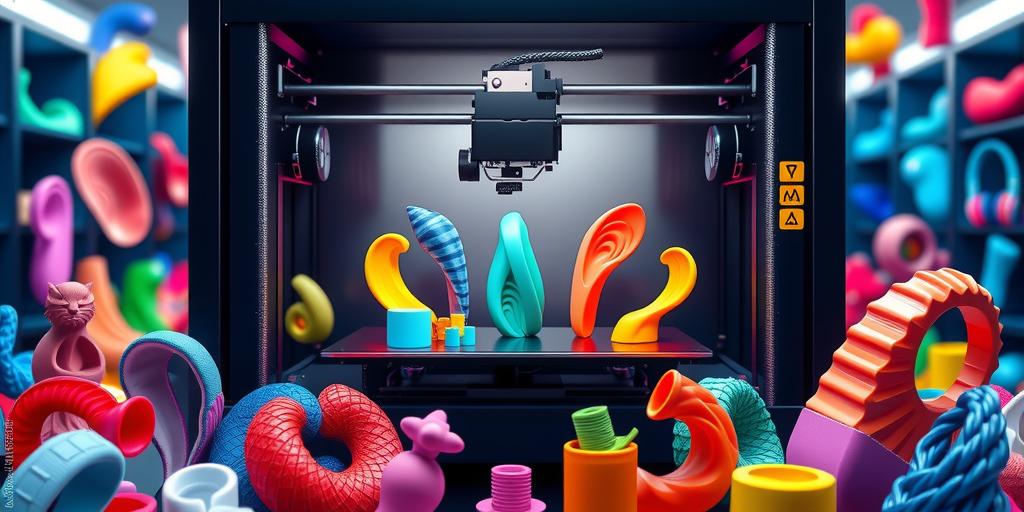
3D printed ear molds represent a significant advancement in treating newborn ear deformities. Using detailed 3D scans of an infant’s ear, these molds can be custom-designed to fit perfectly. This technology allows for a level of precision that traditional molds often lack. For instance, a 3D printed mold can account for the unique contours and shapes of each ear, providing a more comfortable fit that encourages compliance from both parents and infants. Furthermore, because these molds are made from lightweight, flexible materials, they are less likely to irritate the delicate skin of newborns. The ability to swiftly produce and modify these molds means that adjustments can be made as the baby grows, ensuring that the treatment remains effective over time. This innovation not only enhances the comfort and effectiveness of ear shaping therapies but also streamlines the process for healthcare providers, making it easier to deliver personalized care.
5. Tape and Bandage Techniques

Tape and bandage techniques are gaining recognition as effective non-surgical solutions for addressing mild cases of newborn ear deformities. These methods involve using specially designed adhesive tapes to gently reposition the ear, which can be particularly useful for conditions such as prominent ears. The tapes are crafted to be safe for sensitive skin, ensuring that they do not cause irritation or discomfort to the newborn.
One of the significant advantages of tape and bandage techniques is their affordability and ease of use. Parents can apply the tape at home, allowing for a more flexible treatment regimen. For instance, a common practice is to use hypoallergenic tape to secure the ear in a more desirable position for several hours a day, gradually encouraging the ear to take on a more typical shape. The treatment can start as early as the first few days of life, which is crucial for optimal results.
However, successful outcomes depend heavily on parental compliance. Ensuring that the tapes are applied consistently and replaced as needed can be a challenge. To assist parents, healthcare providers often offer guidance and resources on proper application techniques. Additionally, monitoring the progress through regular follow-ups can help in adjusting the treatment plan as necessary.
Overall, while tape and bandage techniques may not be suitable for all cases of ear deformities, they present an accessible and non-invasive option for many families seeking to improve their newborn’s ear shape.
6. Emerging Treatments in 2025
In 2025, the focus on non-surgical solutions for newborn ear deformities has led to some exciting innovations. One of the most notable advancements is the development of biodegradable ear molds. These molds are made from materials that can safely dissolve over time, minimizing the need for removal procedures and making the treatment process more comfortable for infants and parents alike.
Additionally, smart ear molding devices are emerging, equipped with sensors to track the changes in ear shape. These devices provide real-time feedback, allowing for timely adjustments to ensure optimal ear shaping. This technological integration enhances treatment effectiveness and gives parents peace of mind.
Telemedicine is also playing a crucial role in the management of ear deformities. With remote consultations, healthcare providers can easily monitor treatment progress and make necessary recommendations without requiring frequent in-person visits. This approach is especially beneficial for families living in remote areas or those facing transportation challenges.
These emerging treatments demonstrate a commitment to improving the quality of care for newborns with ear deformities, making non-surgical options more effective and accessible than ever.
7. Biodegradable Ear Molds
biodegradable ear molds represent a significant advancement in the treatment of newborn ear deformities. These molds are designed to gently reshape the ear cartilage while being made from materials that naturally dissolve over time. This innovation not only simplifies the treatment process by reducing the need for frequent mold adjustments or removals but also minimizes discomfort for the infant.
For example, traditional molds require regular visits to the clinic for adjustments and replacements, which can be stressful for both the baby and the parents. In contrast, biodegradable molds can remain in place for the duration of their effectiveness, gradually breaking down as the ear develops. This reduces the overall treatment burden and allows for a more streamlined care process.
Moreover, these molds are environmentally friendly, addressing concerns about medical waste associated with conventional ear molding materials. By using biodegradable options, healthcare providers can contribute to sustainability in medical practices while ensuring that infants receive the necessary care for their ear deformities. As research continues, the potential for biodegradable ear molds to become a standard in non-surgical treatments looks promising.
8. Smart Ear Molding Devices
Smart ear molding devices represent a significant advancement in the treatment of newborn ear deformities. These innovative devices use sensors to monitor the shape of the ear over time, providing real-time data to healthcare providers. This allows for precise adjustments to be made to the molds, ensuring they fit correctly and provide the best corrective pressure. For instance, if a device indicates that the ear is not reshaping as expected, adjustments can be made quickly, which enhances the effectiveness of the treatment. Additionally, these smart devices can be connected to mobile apps, enabling parents to track their child’s progress and receive reminders for mold adjustments. The incorporation of technology not only improves outcomes but also empowers parents by keeping them informed and engaged in their child’s treatment.
9. Telemedicine for Early Diagnosis
Telemedicine is transforming the way healthcare providers diagnose and monitor newborn ear deformities. With the rise of digital health technologies in 2025, parents can now connect with specialists through video consultations, enabling early diagnosis without the need for in-person visits. This is especially beneficial for families living in remote areas where access to pediatric otolaryngologists may be limited. In these virtual appointments, doctors can assess ear shape via high-resolution images or videos provided by parents, allowing for timely recommendations on treatment options. For example, if a parent notices a prominent ear, they can share images with a specialist, who can then suggest whether ear molding therapy is appropriate. Additionally, telemedicine facilitates regular follow-ups to monitor the effectiveness of non-surgical treatments, ensuring that any necessary adjustments can be made promptly. This approach not only enhances the convenience of care but also alleviates the stress of traveling for appointments, making it easier for families to manage their newborn’s treatment.
10. Benefits of Non-Surgical Treatments
Non-surgical treatments for newborn ear deformities offer several key benefits that make them an appealing option for parents and healthcare providers. One of the most significant advantages is the reduced trauma to the baby. Unlike surgical interventions, non-surgical methods are non-invasive and cause minimal physical stress, allowing infants to undergo treatment without the pain and recovery time associated with surgery.
Cost-effectiveness is another major benefit. Non-surgical treatments, such as ear molding therapy and 3D printed ear molds, tend to be less expensive than surgical options. This can alleviate financial burdens on families, making it more feasible for them to seek early intervention.
Moreover, these methods enable quicker recovery. After non-surgical treatment, infants can typically resume their normal activities almost immediately, which is essential for their overall well-being and development. For instance, ear molding can be done during routine check-ups, allowing parents to incorporate treatment into their child’s regular care schedule without significant disruption.
Additionally, as technology advances, the customization and effectiveness of non-surgical treatments are improving, leading to better outcomes. With options like smart ear molding devices that monitor progress, families can engage actively in their child’s treatment journey, fostering a sense of empowerment and involvement in their care.
11. Challenges in Non-Surgical Approaches
Non-surgical approaches for treating newborn ear deformities present several challenges that need to be addressed for optimal outcomes. One significant issue is compliance; ensuring that parents consistently follow treatment protocols can be difficult, especially when using removable molds or devices. For example, parents may struggle to keep molds on their infants, which can hinder the effectiveness of therapies like ear molding. Additionally, some newborns may resist wearing these devices, leading to inconsistent application and potentially poor results.
Another challenge is the long-term efficacy of non-surgical treatments. While initial results may be promising, comprehensive studies are necessary to evaluate how these methods perform over time. Questions remain regarding the longevity of the results achieved through non-surgical techniques and whether they provide lasting correction as the child grows. Furthermore, the psychological and social impacts on children with ear deformities must also be considered, as these factors can influence the overall success of the treatment.
12. Future Directions in Treatment
Research into non-surgical solutions for newborn ear deformities is focusing on enhancing treatment effectiveness and accessibility. One promising area involves ongoing studies that aim to better understand how different non-surgical treatments affect not just the physical outcome of the ear, but also the psychological and social well-being of children as they grow. For instance, researchers are exploring how early interventions can influence self-esteem and peer relationships during formative years.
Collaboration among various specialists is becoming more crucial. Pediatricians, otolaryngologists, and audiologists are increasingly working together to create comprehensive care plans that include non-surgical options. This team approach ensures that all aspects of a child’s health and development are considered, leading to more tailored and effective treatment strategies.
Moreover, advancements in technology will continue to play a vital role. As new materials and methods are developed, they could provide even better options for ear molding, making treatments more comfortable and effective. For example, innovations in smart devices may allow for real-time monitoring of ear shape changes, enabling quicker adjustments to treatment plans.
The integration of telemedicine is also expected to expand, making it easier for families to access expert consultations and follow-up care from the comfort of their homes. This could significantly improve compliance with treatment protocols and ensure that children receive timely interventions.
In summary, the future of non-surgical treatments for newborn ear deformities looks promising, with ongoing research and advancements paving the way for improved outcomes and better quality of life for affected children.
Frequently Asked Questions
1. What are non-surgical options for treating ear deformities in newborns?
Non-surgical options for treating ear deformities in newborns include ear molding, which uses special molds to reshape the ears gently, and observation to monitor growth and development over time.
2. How do these non-surgical treatments work?
These treatments work by applying gentle pressure to the ear shape, encouraging it to grow into a more natural form. They are typically most effective when started early, preferably in the first few weeks of life.
3. Are there any risks associated with non-surgical treatments for ear deformities?
Non-surgical treatments are generally safe, but there can be minor risks like skin irritation from the molds. It’s important for parents to follow care instructions closely to minimize any complications.
4. When should parents consider non-surgical options for their baby’s ear deformities?
Parents should consider non-surgical options if their baby has ear deformities that could impact their appearance or hearing. Consulting with a pediatrician or specialist early on is crucial for the best outcomes.
5. Can non-surgical treatments correct all types of ear deformities?
Non-surgical treatments can correct many common ear deformities, but their effectiveness might vary depending on the specific type and severity of the deformity. A specialist can provide guidance on the best approach.
TL;DR In 2025, non-surgical solutions for newborn ear deformities, such as ear molding therapy, 3D printed ear molds, and tape techniques, offer effective and less invasive treatment options. Emerging innovations include biodegradable molds, smart devices for monitoring, and telemedicine for early diagnosis. These methods present benefits like reduced trauma and cost-effectiveness, but challenges include ensuring compliance and assessing long-term efficacy. Ongoing research aims to enhance treatment outcomes and develop comprehensive care strategies.


